
Single-strand aluminum wiring in a 1960s or 1970s Pinellas home? What it is, why insurers ask about it, the repair methods the CPSC recognizes, and what to expect.
Request an aluminum wiring inspection
Tell us your address and what you need. A licensed electrician will call or text you back.
Insurer flagged aluminum wiring? Call (727) 476-7079 or request an inspection online.
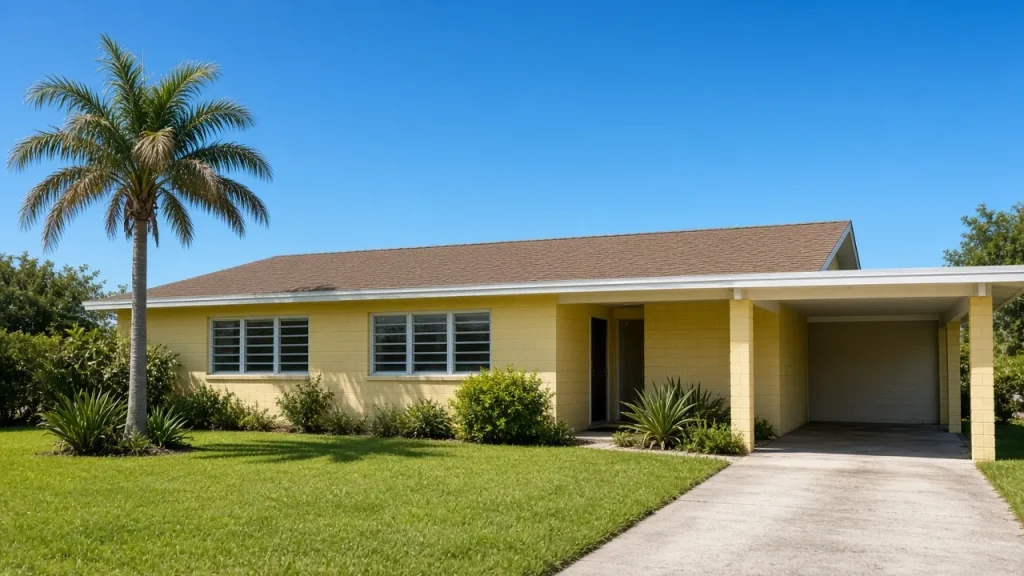
Many Pinellas homes were built during the years when some builders used single-strand aluminum for the everyday 15- and 20-amp circuits that feed outlets, switches and lights. If a 4-point inspection or a home inspector has noted it, you are not alone, and it is fixable. Here is what it means and how a licensed electrician handles it.
What aluminum branch wiring is
The U.S. Consumer Product Safety Commission (CPSC) describes single-strand aluminum branch wiring as being installed in homes mostly from the mid-1960s to the mid-1970s. It is different from the stranded aluminum still widely used today for service entrance cables and large appliance circuits, which is normal and not what insurers are asking about.
Why it matters
According to the CPSC, the problem is at the connections. Aluminum expands, contracts and oxidizes differently from copper, and over years a connection at an outlet, switch or splice can loosen and overheat. Warning signs include:
- Outlet or switch covers that feel warm
- A faint burning or hot-plastic smell
- Lights that flicker without an obvious cause
- Outlets or circuits that stop working intermittently
If you notice any of these, turn off that circuit and call an electrician.
Why insurers ask about it
The standard Florida 4-point inspection form asks about wiring type, including single-strand aluminum branch wiring. Citizens’ current form lists COPALUM and AlumiConn repairs and says separate documentation of any single-strand aluminum remediation must be provided and certified by a licensed electrician. Each insurer sets its own rules, so ask your agent exactly what they need.
Repair options the CPSC recognizes
- Rewiring with copper: the most complete fix, replacing the aluminum branch circuits.
- COPALUM crimp repair: a copper pigtail is joined to each aluminum wire with a special crimp connector installed with a dedicated tool by trained electricians.
- AlumiConn connectors: a listed connector that joins a copper pigtail to the aluminum wire at each device and splice.
All of these require opening every outlet, switch, fixture and junction box on the affected circuits. This is licensed electrical work, typically done under a permit.
How we handle it
We start with an inspection to confirm what type of wiring you have and how many devices are on aluminum circuits. You get a written, itemized quote that lays out the options. Once you choose, we do the work, test every circuit, pass the inspection and give you a written summary and photos for your insurer. If your panel is also on the insurer’s list, we can quote both together.
Related: rewiring · panel replacement · 4-point inspection and your panel · electrical safety checkup · knob-and-tube and cloth wiring · electrical checklist for buying an older home
Keywest Lights & Electric is a licensed electrical contractor (EC13014717), woman-owned and based at 6248 Seminole Blvd, Seminole, FL 33772. Our workmanship warranty is 2 years, or 5 years for Member Care Plan members.
Frequently asked questions
How do I know if my house has aluminum branch wiring? Look for “AL” or “ALUMINUM” printed on cable jackets in the attic or panel, or have an electrician check. Single-strand aluminum is most common in homes built from the mid-1960s to the mid-1970s.
Will my insurance company accept repairs instead of a full rewire? Some carriers accept documented repairs such as COPALUM or AlumiConn connections, and some want a rewire. Ask your agent what they require.
Is the aluminum service cable to my panel a problem too? Usually not. Stranded aluminum for service entrance and large appliance circuits is common and normal. Insurers ask about single-strand aluminum branch wiring.
Can I just swap the outlets for ones marked CO/ALR? CO/ALR devices only address outlets and switches, not splices or other connections, so the more complete repairs are rewiring or COPALUM or AlumiConn pigtails at every connection. We go over the options with you.