
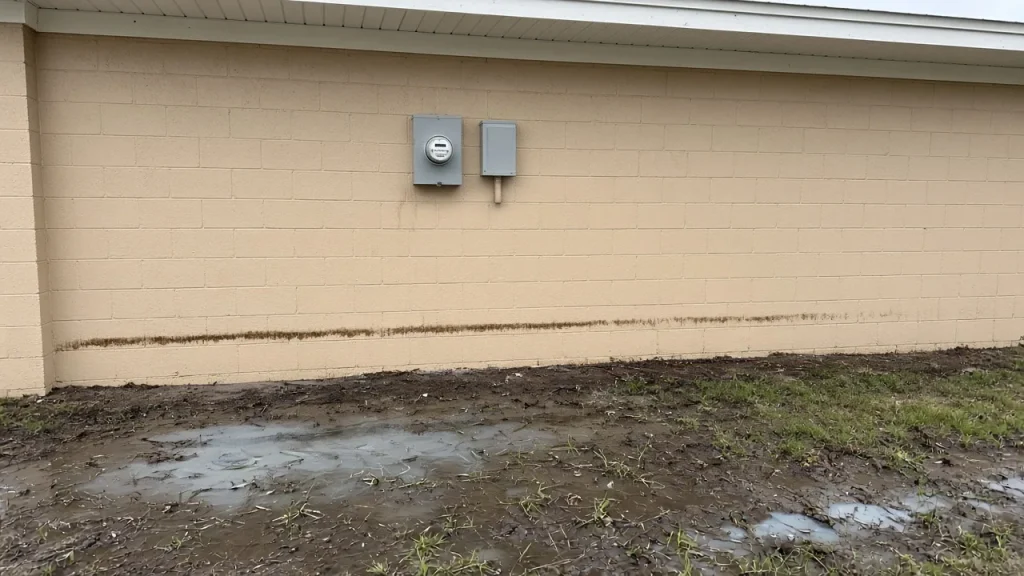
Your home took on water. Before the power goes back on, here is what Florida homeowners should check, what usually has to be replaced, and how reconnection works.
Request a flood damage electrical inspection
Tell us your address and what you need. A licensed electrician will call or text you back.
Water reached your outlets or panel? Call (727) 476-7079, 24/7 in Pinellas County, or request service online.
After a storm surge or heavy rain, the urge is to flip the main back on and start drying out. If water reached outlets, wiring or the panel, that step can start a fire or cause a shock. Here is a calm, step-by-step look at what to do, based on guidance from electrical safety groups and utilities.
First: stay safe
- Do not walk through standing water in the house if the power may still be on.
- Only switch off the main if you can reach the panel while standing somewhere dry. If not, leave it and call the utility to cut power at the meter.
- Stay away from downed lines and report them to your utility.
- Do not run a portable generator indoors or in the garage. The CDC and CPSC say to keep it outdoors and at least 20 feet from the home.
What water does to electrical equipment
Flood water carries salt, silt and sewage. Once it dries, it leaves corrosion and residue inside breakers, receptacles and switches that you cannot see. The National Electrical Manufacturers Association (NEMA) publishes guidance on evaluating water-damaged electrical equipment, and its general advice is that most submerged items should be replaced rather than dried and reused. That typically includes:
- Circuit breakers, fuses and panelboards
- GFCI and AFCI devices, receptacles and switches
- Wiring and cable that was under water, depending on its type
- Smoke alarms, light fixtures and ceiling fans that were submerged
- Outdoor equipment such as AC disconnects and pool equipment
Salt water from storm surge is harder on equipment than rainwater. Wiring above the water line in walls that stayed dry can often stay in place.
Getting the power back on
Utilities serving Pinellas and the Tampa Bay area generally expect a licensed electrician to inspect and repair flood-damaged service equipment before they restore service, and some require an inspection first. In practice that means a licensed electrician checks the meter base, service entrance and panel, replaces what was submerged, and the work is permitted and inspected before the utility reconnects.
Insurance and flood-zone rules
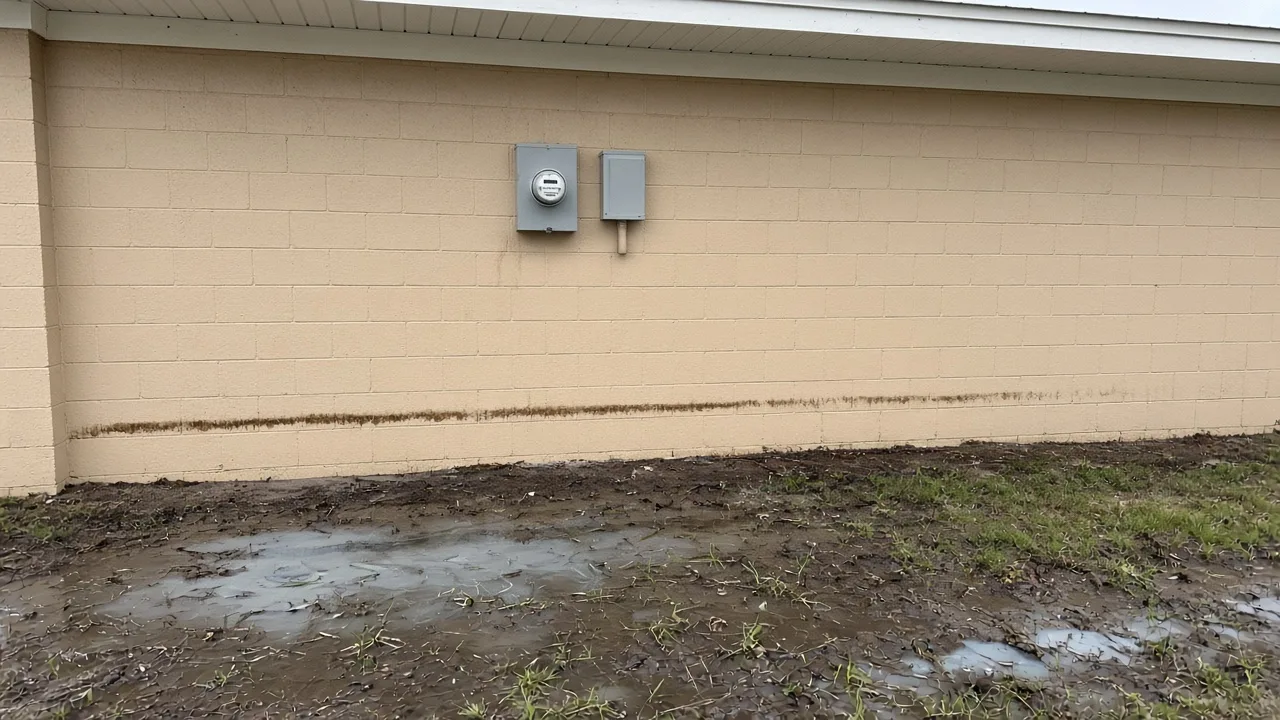
- Photograph the water line, the panel and damaged outlets before anything is removed.
- Ask for an itemized electrical scope; it helps with claims and with local substantial-damage reviews in flood zones.
- If repairs are large compared with the home’s value, floodplain rules may require bringing the house up to current flood standards, which can mean raising electrical equipment.
How we handle flood damage
We start by making the home safe, then walk through every room and the service equipment with you. You get an itemized written scope that marks what was submerged and what stayed dry. We pull the permit, replace what has to go, test every circuit, meet the inspector and coordinate reconnection with Duke Energy or TECO. If you need power sooner, we can set up a safe temporary generator connection on circuits that were not affected.
Related: 24/7 emergency electrician · panel replacement · generator interlocks and transfer switches · whole-house surge protection · home electrical safety checkup · what to check after a nearby lightning strike
Keywest Lights & Electric is a licensed electrical contractor (EC13014717), woman-owned and based at 6248 Seminole Blvd, Seminole, FL 33772. Our workmanship warranty is 2 years, or 5 years for Member Care Plan members.
Frequently asked questions
Can I reset breakers that got wet? No. Breakers and panels that were under water should be inspected and generally replaced, not reset.
Do outlets above the water line need replacing? Usually not, if they stayed dry. We test them and replace only what was submerged or damaged.
Will the utility turn my power back on after a flood? Utilities typically want a licensed electrician to inspect and repair flood-damaged service equipment first, and some require an inspection before reconnecting.
Is salt water worse than rainwater for wiring? Yes. Salt water leaves conductive, corrosive residue, so equipment it reached is usually replaced.