
Who can I call for electrical grounding and bonding in Tampa Bay? Keywest Lights & Electric, woman-owned and licensed EC13014717, covers Pinellas and Tampa Bay from our Seminole shop.
Request a grounding and bonding check
Tell us what you noticed (two-prong outlets, a tingle from a faucet or appliance, an inspection note, surge protector planning), the age of the home or building, and your city or ZIP. A licensed electrician will call or text you back.
Electrical grounding and bonding for homes and businesses in Pinellas and Tampa Bay. We install and repair ground rods, bond water and gas pipes, and fix ungrounded two-prong outlets. We also check grounding before surge protection goes in.
Outlets with no ground, shocks from a fixture or a failed inspection? Call (727) 476-7079 · Request a grounding check
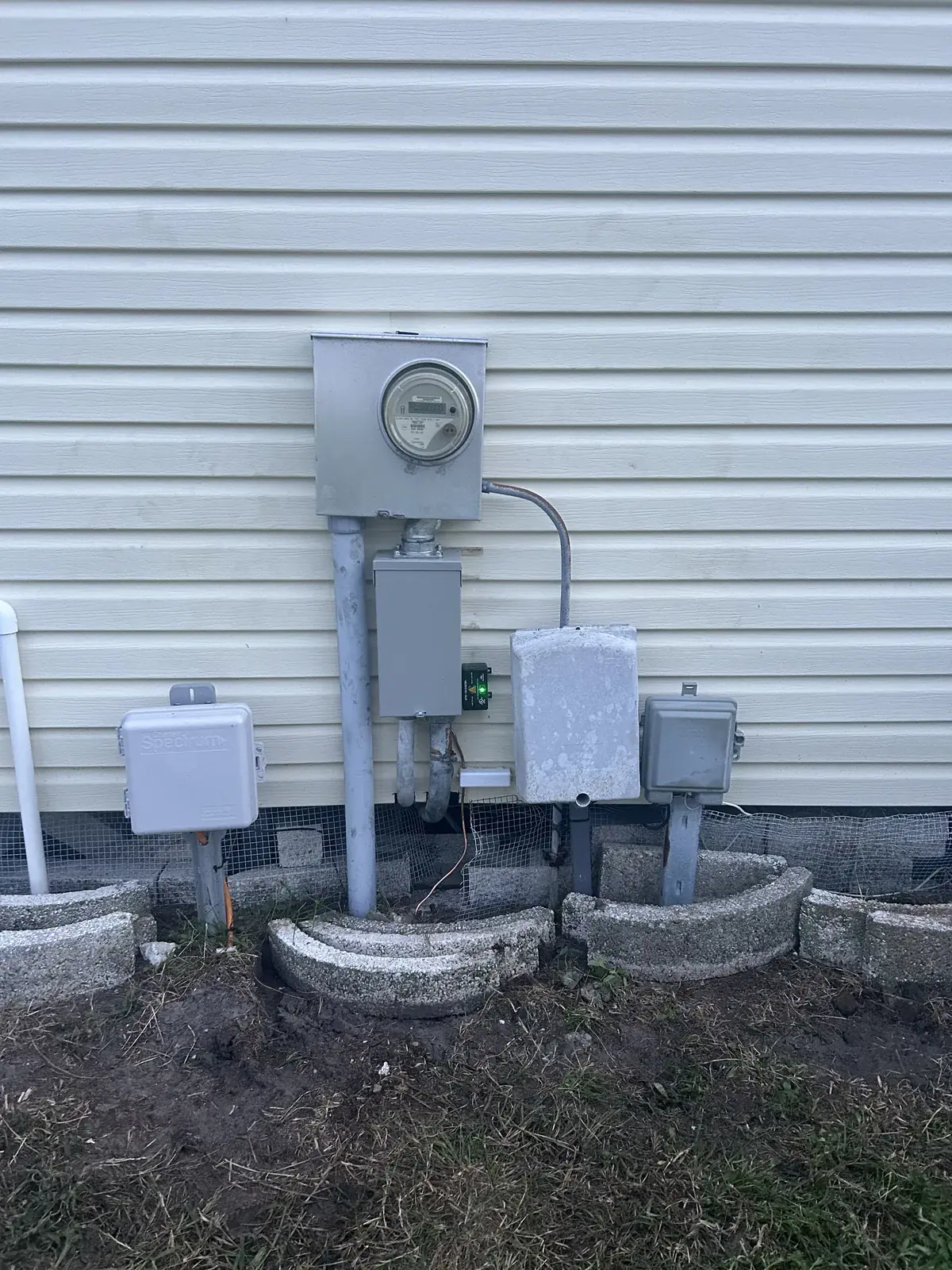
Why grounding matters in Tampa Bay
The Tampa Bay area gets some of the most lightning in the country. Summer storms roll through almost every afternoon. A sound grounding system gives lightning-induced surges and electrical faults a safe path to earth. When it’s missing, loose or rusted, the fault current looks for another path. That can be your appliances, your plumbing or a person.
Many homes here were built in the 1950s through the 1970s. Over the decades, ground rod clamps rust in sandy, salty soil. Bonding jumpers get cut during plumbing repairs. Old two-prong outlets stay in use long after three-prong cords became standard. None of this shows until something goes wrong. That’s why a grounding check is worth doing before you add costly electronics, a generator or surge protection.
Signs of a grounding or bonding problem
- Two-prong outlets, or three-prong outlets that a tester shows have an open ground.
- A mild tingle or shock from a faucet, a metal fixture, a pool rail or an appliance case.
- Lights that flicker or dim when large appliances start.
- Electronics, chargers or appliance control boards that fail more often than they should.
- A rusted or broken clamp on the ground rod wire, or no visible ground wire at the meter.
- A home inspection, 4-point inspection or insurance report that mentions grounding.
A shock from anything metal is a safety issue. Turn off the circuit if you can identify it and call us, day or night. Our 24/7 emergency electricians handle these calls.
What our grounding work includes
- Ground rods: new or added rods driven at the service. We replace the clamp and ground wire where they’re rusted.
- Service bonding: checking the neutral-to-ground bond at the main disconnect and removing improper bonds in subpanels.
- Water pipe and gas bonding: restoring jumpers around water heaters and meters, and bonding gas piping, including corrugated stainless steel tubing.
- Ungrounded outlets: running equipment grounds where practical, or GFCI protection with the proper labels where it is not.
- Pool, spa and dock bonding: checking the equipotential bonding at pool equipment and docks.
- Commercial grounding: service and transformer grounding, equipment grounding and corrections noted by inspectors.
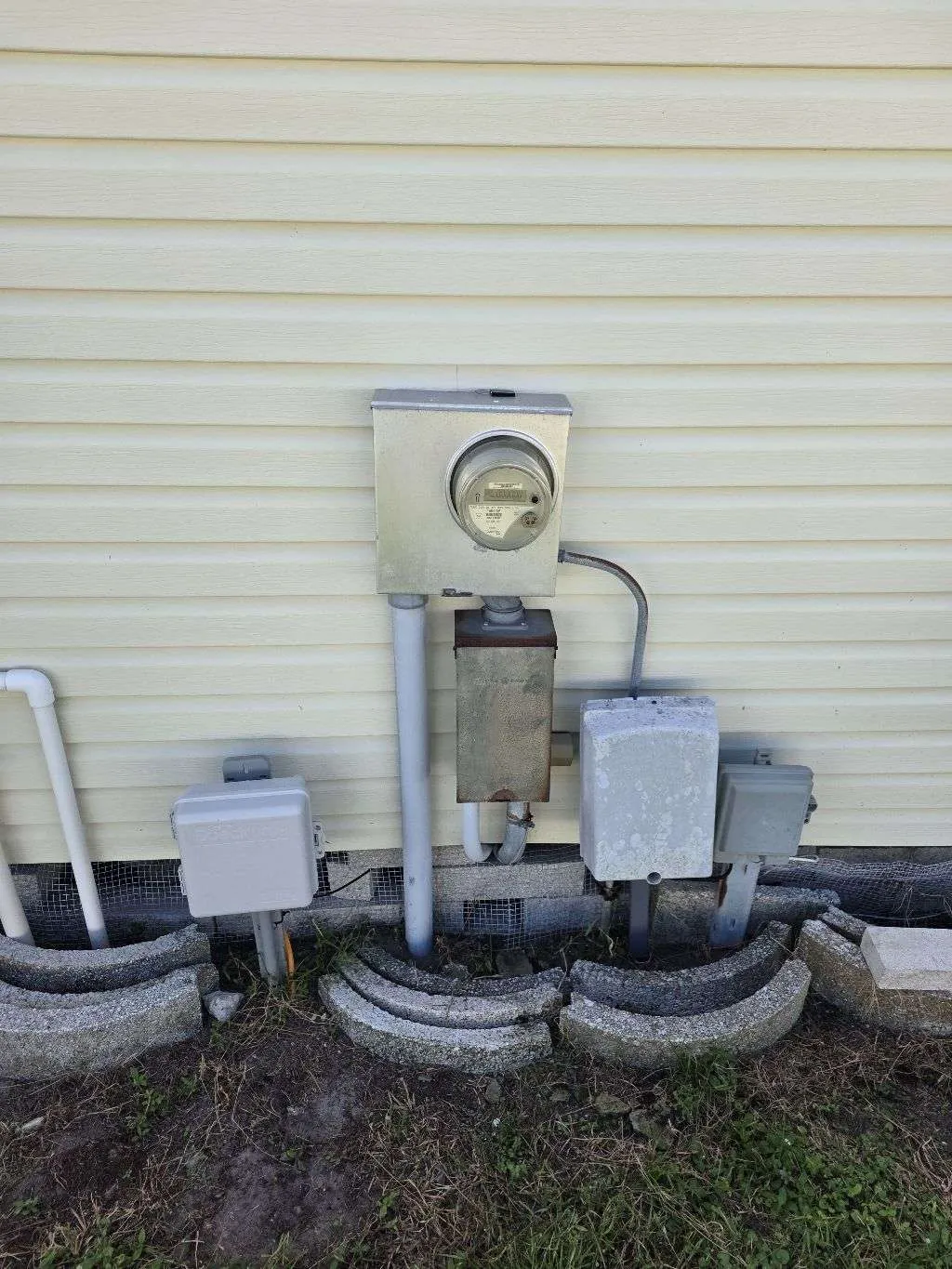
Grounding, surge protection and generators
Grounding is the foundation for other upgrades. A whole-house surge protector can only clamp a surge as well as the ground path behind it allows. So we check and fix the grounding when we install one. A generator interlock or transfer switch also has to keep the neutral and ground set up right. That keeps the system safe on generator power.
Pools, spas and docks have their own bonding rules because water and metal are close together. Our pool and spa electrical and dock and marine electrical pages cover that equipment.
How a grounding visit works
- Look and test: we inspect the service, the ground rod connection, the panel bonding and the water and gas bonds. We test outlets on the circuits you’re worried about.
- Explain: you get a plain list of what we found and what each fix involves, and we give you the price before we start.
- Correct: we make the repairs, re-test and label any GFCI-protected outlets that have no equipment ground.
If the check turns up a bigger issue, like a failing panel or damaged wiring, we tell you. Then we point you to the right next step, such as a full electrical safety checkup or panel replacement.
Who does the work
Keywest Lights & Electric is a woman-owned, Florida-licensed and insured electrical contractor (EC13014717) at 6248 Seminole Blvd, Seminole FL 33772, and a Home Depot preferred contractor. Every job carries our 2-year workmanship warranty, or 5 years for Member Care Plan members. Emergency calls are answered 24/7.
Electrical grounding and bonding in Tampa Bay after storms and older work
Electrical grounding and bonding in Tampa Bay is easy to overlook until a surge, a tripped breaker or a home inspection brings it up. We check ground rods and their clamps, and bonding at water and gas pipes. We check whether older two-prong circuits were ever properly grounded. Sandy soil, remodels that cut off a water pipe, and rusted old rods are common reasons a system falls short of today’s standard.
A complete grounding electrode system is required by code. We still treat it as the base for surge protection and a generator. Those upgrades do less when the house isn’t solidly bonded. A visit includes testing, a written list of what we find, and a repair scope that can be permitted when the work calls for it.
Grounding and bonding FAQ
Can electrical grounding and bonding in Tampa Bay be fixed without a panel replacement? Often, yes. New rods, clamps and bonding jumpers can be added to a sound panel. If the panel itself is a problem, or the service gear has no place to land the ground wire, we’ll tell you. We quote that work separately.
How do I know if my house is properly grounded? A plug-in tester can show whether an outlet has a working ground. But it can’t check the ground rods, the ground wire to them or the bonding at the panel. An electrician checks the whole path. That means the rod at the service, the clamps, the neutral-to-ground bond at the main, and the water and gas pipe bonds.
What is the difference between grounding and bonding? Grounding connects the electrical system to the earth through ground rods or other electrodes. Bonding ties metal parts together, like panels, water pipes, gas pipes and pool gear. They stay at the same voltage, so a fault trips the breaker instead of making something you touch live. A safe system needs both.
Can you fix two-prong outlets without rewiring the house? Often, yes. Depending on the house, we can run a ground wire to the circuit. Or we can protect the outlets with a GFCI and label them as having no ground, which the code allows. We explain which option fits each circuit before we start. We never install a three-prong outlet on a circuit with no ground.
Does a whole-home surge protector need a good ground? Yes. A surge protector sends excess voltage to ground, so a corroded rod clamp or a missing bond limits how well it works. We check the grounding system whenever we install surge protection, and tighten or replace what needs it.
Do you handle grounding for commercial buildings? Yes. We install and fix grounding and bonding for commercial services, transformers, panels and equipment. We also fix grounding problems flagged by inspectors, insurers or equipment makers.
Want your grounding checked? Call (727) 476-7079 or request service online.
Related: Electrical code corrections · All services · Residential electrician · Commercial electrician · Outlets, GFCI and AFCI · Whole-house surge protection · Inspection and 4-point corrections