
Need electrical code corrections in Indian Shores? Keywest Lights & Electric performs electrical code corrections in Indian Shores condos and homes when an inspector, a buyer or a safety review has found work that does not meet current requirements. We are licensed and woman-owned. We start with the written list, fix the items that apply, and leave a record for the follow-up look.
Request electrical code corrections in Indian Shores
Tell us what you need and where the work is. A licensed electrician will reply with next steps and a time to visit.
Our Indian Shores pages also cover a home charging circuit, JellyFish eave lighting, breaker panel replacement and generator installation.
Call or text (727) 476-7079 · open 24/7 for emergencies · request a quote online
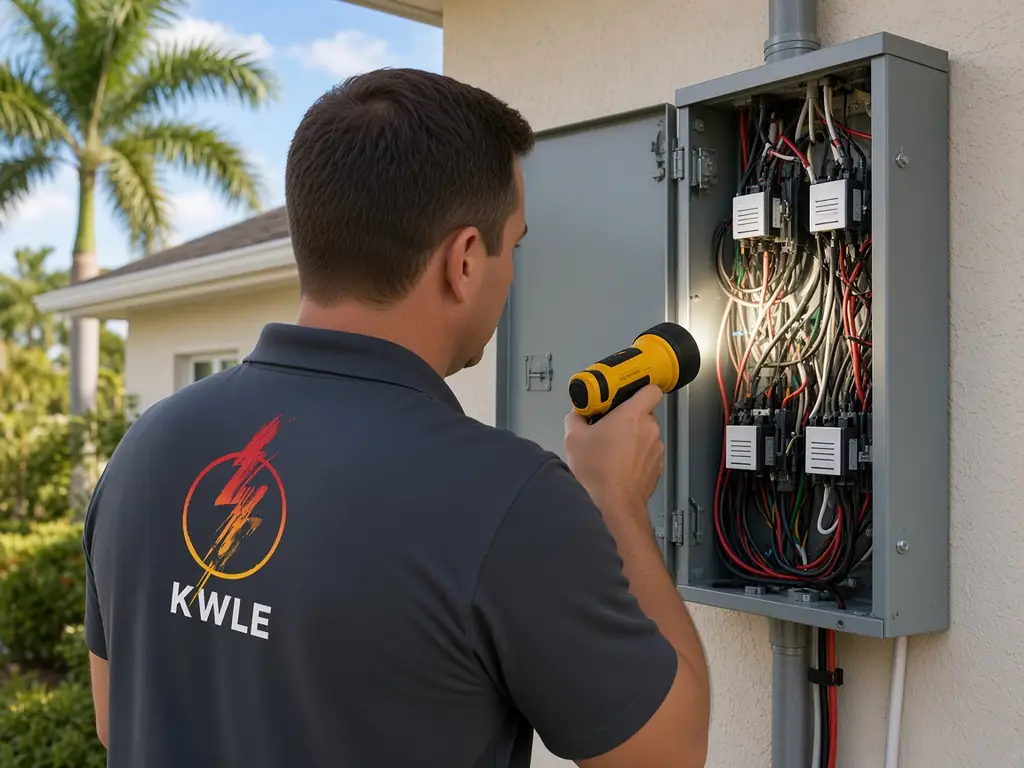
Electrical code corrections in Indian Shores: a list, not a guess
Code correction work is driven by a document: an inspection report, a four-point list, an insurance request, or notes from a safety visit. We do not invent extra failures to fill a ticket, and we do not ignore an item because it looks small. We walk the unit with the list in hand, confirm what is still open, and write a scope that matches those items.
What we are often asked to correct
- Florida electrical contractor license EC13014717, licensed & insured
- Woman-owned business based at 6248 Seminole Blvd, Seminole FL 33772
- 2-year workmanship warranty, 5 years with a Member Care Plan
- SPAN Authorized Installer and Home Depot preferred contractor
- Open 24/7 for electrical emergencies: call or text (727) 476-7079
- Missing or failed GFCI and AFCI protection where it is required.
- Ungrounded or open-ground receptacles.
- Cover plates, damaged devices and exposed splices.
- Panel directory, working clearance and labeling problems.
- Smoke-alarm power or interconnect issues inside a unit.
- Outdoor or wet-location devices that were never rated for the spot.
Older mid-rises and a changing standard
About 48 percent of the units in this town date from before 1980, and a large share rose in the 1970s and 1980s. A dwelling that was accepted then may not pass a current sale or insurance review. We explain which items are required now, which are recommended, and which belong to the association if they sit on the building side of the meter.
Unit side versus building side
A failed device in your kitchen is usually yours. A missing cover in a meter room, a corridor alarm or a house-panel label is usually the association’s. We correct what you own and give the manager a short note if we see an open item on the shared side. Mixing those on one invoice helps no one.
How we work from an inspector’s list
We copy the item numbers into the proposal, take photos of the existing condition, make the correction, and photograph the finish. That packet is what you can show at the follow-up. If an item is unclear, we ask before we open a wall, rather than guessing at a note that might mean two different repairs.
Protection devices in wet rooms and kitchens
Kitchens, baths, laundry closets, lanais and dock-adjacent receptacles are frequent list items. We install the required protection, test the reset, and use weather-rated covers outdoors. A sticker without a working device is not a correction.
Panels, directories and clearance
A blank directory, a missing dead front, or storage stacked in front of a unit panel shows up often in sale reports. We relabel, restore covers, and tell you if the cabinet itself is the real problem. Clearing a closet so the panel can be serviced is part of the correction, not a hint we leave on a card.
What the visit looks like
We arrive with the list, confirm each item, isolate only the circuits we need, and work through the scope. In a finished condo we protect floors and take debris with us. If a correction needs a larger repair, such as a damaged cable, we stop and price that before we close the wall.
Follow-up inspections
When the work requires a return look, we handle our paperwork and stand by if the inspector wants us there. You keep the photo packet. Seasonal owners can often have the corrections done between stays if access is arranged.
When the list is longer than the unit can support
If a report points to a service or a panel that should be replaced, a correction at a few devices will not close the file. We will say that and point you to the right larger scope, with the list items that would remain after that work.
AFCI, GFCI and a breaker that actually matches the cabinet
A report that calls for added protection only helps if the device is listed for that panel and that branch. We match the breaker type to the bus, land the neutrals correctly, and test trip function. A look-alike breaker that does not belong in the cabinet is not a correction. If the panel cannot accept the required device, we will say so and talk about a cabinet change rather than force a part.
Open splices, junction boxes and a cover you can find later
An exposed splice in a closet or above a drop ceiling has to land in a listed box with a cover. We add that box, clamp the cables, and leave the cover accessible, not buried behind a shelf that cannot be moved. In a finished condo we cut carefully and leave the surface ready for a small patch. A tape blob in a wall pocket is what we are removing, not repeating.
Tamper-resistant receptacles and a plate that hides nothing
A sale or a current inspection may call for tamper-resistant receptacles in a dwelling. We replace the listed locations, keep the grounding path intact, and use plates that sit flat so a visitor cannot see a gap. In a child’s room or a hall, that change is small and visible on the photo record. We do not leave a painted-over, cracked receptacle and call the item closed.
Outdoor disconnects, AC switches and a wet-location correction
A missing or damaged disconnect at an air unit, a rusty outdoor switch, or a dryer receptacle with an open ground often appears on the same list. We correct those with weather-rated hardware and a readable label. If the existing whip or the connector is also damaged, that is part of the same item, not a surprise add-on we mention after the wall is closed.
Questions we hear in Indian Shores
Can you work from my inspection report in Indian Shores? Yes. We build the scope from the written list, correct the items that apply, and leave photos for the follow-up.
What if some items belong to the association? We fix what you own and give the manager a short note on anything that sits on the building side.
Do you handle the follow-up paperwork? When a return look is required, we handle our portion and can stand by if needed.
Will you add work that is not on the list? Only if we find a safety issue, and only after we tell you and you approve it. The proposal follows the list.
Can corrections be done while the unit is empty? Yes, if someone can let us in. Many seasonal owners book it that way.
How do I start? Call or text (727) 476-7079 and send the report. The shop is about 4 miles away in Seminole.
Crews roll out from our shop on Seminole Blvd, about 4 miles from town, and work along Gulf Boulevard, the Intracoastal, the Tom Stuart Causeway and the Gulf shore. We also take calls in Largo, Madeira Beach, North Redington Beach, Indian Rocks Beach and Seminole.
Back to the service: Electrical Code Corrections in the Tampa Bay area. For a full list in this town, visit Indian Shores electrician services.
Nearby towns: Seminole
Call or text (727) 476-7079 for electrical code corrections in Indian Shores, or book online. Shop hours 7 AM–5 PM, weekend service, 24/7 emergency calls.