
Want recessed lighting installation in Seminole? Keywest Lights & Electric installs recessed lights in Seminole homes and businesses, in new ceilings and existing ones. We are licensed and woman-owned, with our shop on Seminole Blvd, and we lay out the lights before we cut so the glow is even and the ceiling stays tidy.
Request recessed lighting installation in Seminole
Tell us what you need and where the work is. A licensed electrician will reply with next steps and a time to visit.
Other Seminole jobs our crew takes on include standby generators, EV chargers, JellyFish holiday and event lighting and business electrical work. Also available here: commercial generator installation.
Call or text (727) 476-7079 · open 24/7 for emergencies · request a quote online
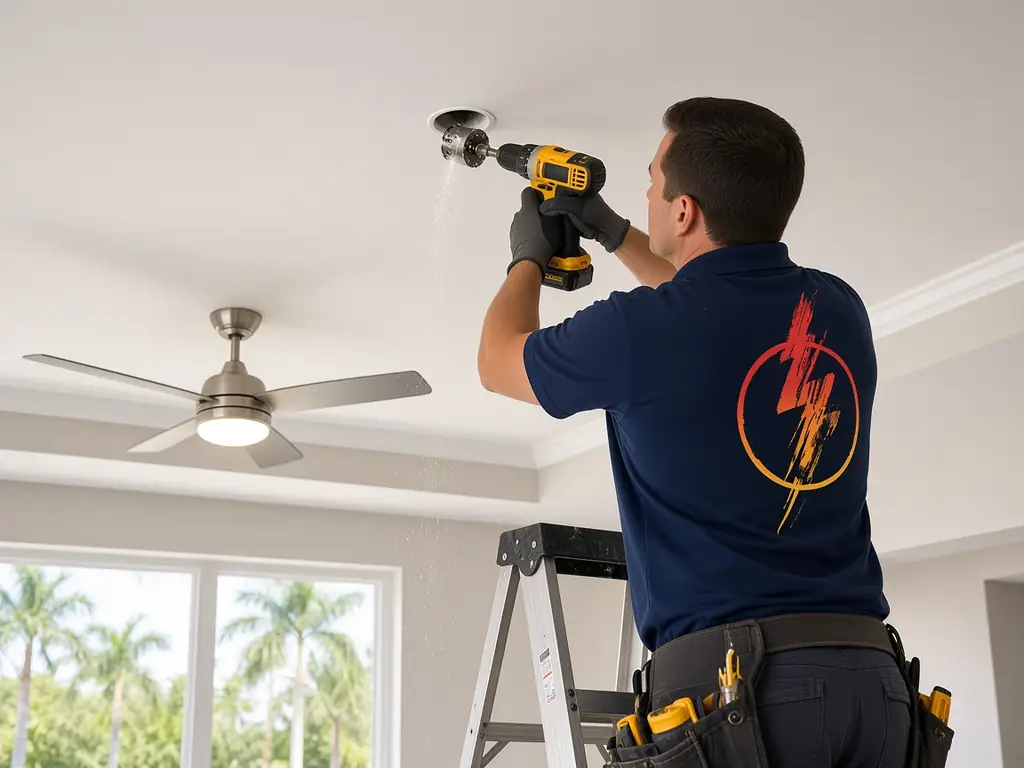
Recessed lighting installation in Seminole: plan the layout first
Recessed lights give a room a clean, modern look, but they must be placed well. Too few leave dark corners. Too many make a ceiling look like Swiss cheese. We measure the room, think about furniture and walls and mark each light before cutting. We also plan switches and dimmers to match.
Types of recessed lights
- LED wafer lights: thin discs that need no can and fit tight ceilings.
- New-construction cans: housings placed before drywall.
- Remodel cans: housings that fit through a small hole.
- Adjustable trims: gimbal lights that aim at art or walls.
- Wet-rated trims: for showers, porches and soffits.
- Baffles and reflectors: trims that control glare.
Spacing and size
- Florida electrical contractor license EC13014717, licensed & insured
- Woman-owned business based at 6248 Seminole Blvd, Seminole FL 33772
- 2-year workmanship warranty, 5 years with a Member Care Plan
- SPAN Authorized Installer and Home Depot preferred contractor
- Open 24/7 for electrical emergencies: call or text (727) 476-7079
A common rule is to place lights about as far apart as half the ceiling height, and to keep them roughly an arm’s length from walls. A four-inch light is quiet and subtle. A six-inch light puts out more and suits large rooms. We adapt these rules to your room and fixtures, and we show you a layout before we cut.
Existing ceilings
Adding lights to a finished ceiling needs care. We find joists, locate wires and cut small holes. We fish cable through the attic or between joists, and we use clips or housings made for remodel work. Insulation around lights must be handled correctly. We use insulation-rated housings when the ceiling sits under an attic.
Dimmers and color
Recessed lights shine best on a dimmer. We match LED lights to compatible dimmers to prevent buzz and flicker. You can choose warm, neutral or cool light. Many owners like warm light in living areas and a crisper tone in kitchens and workspaces. Some rooms use two zones, so you can dim the center lights and keep the edges brighter.
Moisture, heat and safety
Lights in showers and covered porches must be rated for damp or wet locations. Trims in a vaulted ceiling may need special housings. Heat can shorten the life of LEDs, so we avoid covering lights with insulation unless they are rated for it. We also check that circuits are not overloaded after adding lights.
Seminole homes
Many local homes from the 1970s have flat ceilings with a single fixture per room. Recessed lights can update them without changing the style. Lanais and covered entries, near Lake Seminole and the bay, benefit from wet-rated lights in soffits. We keep the finish clean, so you only see the light.
Cleanup and warranty
We vacuum dust, patch around holes and leave the room neat. Our work carries a 2-year warranty, or 5 years with a Member Care Plan. Call or text (727) 476-7079.
Fire safety and insulation contact
Recessed housings that touch insulation must be rated for it. Heat can build up and shorten life or cause trouble. Where an attic sits above, we use housings labeled for insulation contact or build a dam around them. Sealed housings also reduce air leaks, which helps comfort and energy use. We check each housing label before we install.
Switch layouts and controls
Recessed lights often cover a whole ceiling, and the switch layout matters. We split lights into zones, so you can light a reading area without lighting the whole room. Three-way switches let you turn lights on from two doors. Smart dimmers can add scenes. We plan the wiring for these controls before we cut the first hole.
Working around obstacles
Ceilings hide joists, ducts, pipes and other wires. We use a stud finder, a borescope and sometimes a thermal camera to find clear spots, then adjust the layout to avoid them. If a light must shift a few inches, we do it, and we keep the pattern balanced. Planning for obstacles keeps the ceiling clean and the job fast.
Finishing touches
We use trim rings that match the ceiling and bulbs that match each other in color. Mixed bulbs look odd side by side, so we buy all of them in one batch. At the end, we turn on every light, test the dimmer across its range and wipe the trims. You get a spare bulb or two and a note on the model for later.
Choosing between cans and wafers
Wafer lights are thin and fit between joists, which suits a ceiling with little attic space. Traditional cans give a deeper cone of light and let you change trims later. Wafers cost less to install and heat up less when sealed. Cans suit sloped ceilings and special trims. We show samples so you can see the glow, the trim and the color before we commit.
Local ceilings and finishes
Popcorn texture, plaster patches and vaulted lanai ceilings all appear around Seminole, from Starkey Road to Bay Pines. Each surface needs a different cutting method and a different patch plan. We test a small hidden spot, choose the right saw, keep dust from drifting into rooms and match the finish where we cut, so lights look original.
Glare, shadows and beam angles
A narrow beam makes bright spots and sharp scallops on walls, while a wide beam washes evenly. Deep baffles reduce glare for people sitting beneath a light. Kitchens benefit from lights placed in front of upper cabinets, so shadows do not fall on counters. We test sample trims overhead and adjust before final installation.
Common questions
How many recessed lights does a room need? It depends on room size, ceiling height and use. We lay it out before cutting.
Can you install them in a finished ceiling? Yes. We use remodel housings or wafer lights and fish the wires.
Do recessed lights work with dimmers? Yes, with a compatible LED dimmer.
Are they safe under insulation? Only housings rated for contact with insulation. We use the right type.
Can I put them in a shower? Yes, with a trim and housing rated for wet or damp locations.
Our trucks leave the shop on Seminole Blvd and work near Largo Road, Starkey Road, Ulmerton Road, Tyrone Boulevard. We also serve Treasure Island, Gulfport, Belleair Bluffs, Bay Pines, Indian Rocks Beach, Largo, Redington Beach and Ridgecrest.
Up: Recessed Lighting Installation across Tampa Bay · For everything we do locally, see Seminole electrical service.
Nearby: Bay Pines · Madeira Beach · Redington Beach · North Redington Beach
Call or text (727) 476-7079 for recessed lighting installation in Seminole, or book online. Business hours 7 AM–5 PM, weekend service, 24/7 emergency calls.