
Need storm damage electrical repair in Redington Beach? Keywest Lights & Electric handles storm damage electrical repair in Redington Beach after flooding, wind, falling limbs, lightning or a power surge. We are licensed and woman-owned, we make the area safe first, test what survived and replace only what is damaged.
Request storm damage electrical repair in Redington Beach
Tell us what you need and where the work is. A licensed electrician will reply with next steps and a time to visit.
Other work we do in Redington Beach: backup power for a business, a commercial electrician, home EV charging and generator installation. Also available here: jellyfish lighting and panel upgrade replacement.
Call or text (727) 476-7079 · open 24/7 for emergencies · request a quote online
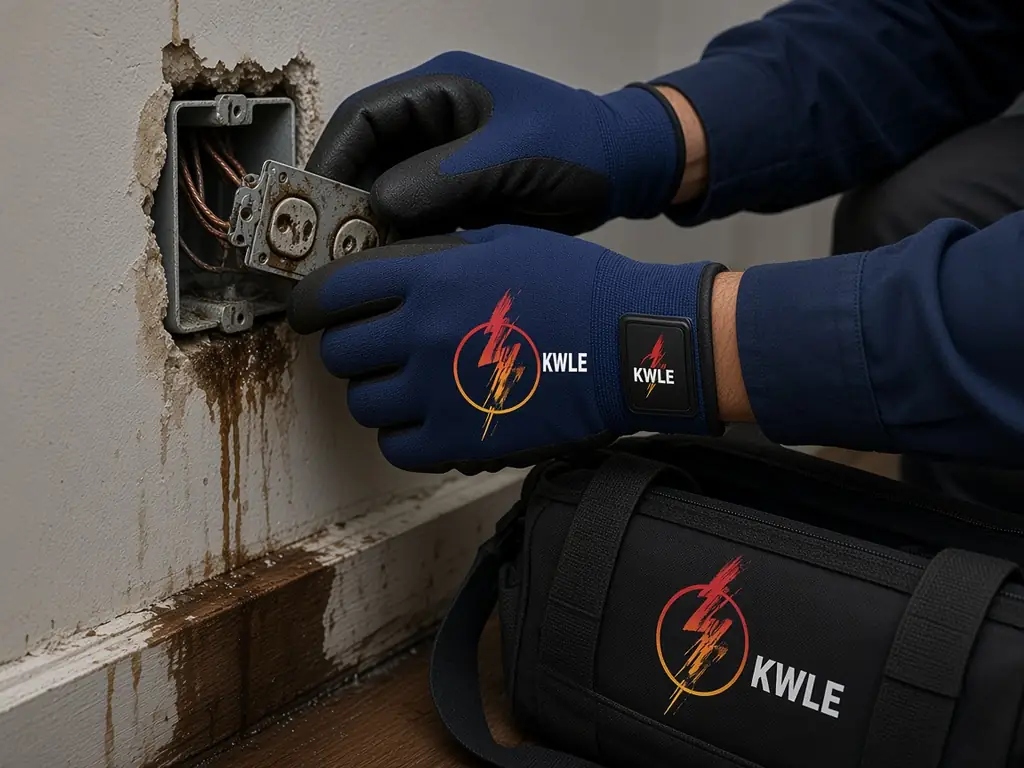
Storm damage electrical repair in Redington Beach: safe first, then restored
A storm can hurt a home’s electrical system in ways that are not obvious. Water in a panel, a scorched outlet or a bent mast may look minor and still be dangerous. We inspect the whole path from the meter to the outlet before we say the home is safe.
What storms commonly damage
- Panels and meter bases: water, salt and wind.
- Outlets and switches near floors: flood water.
- Service mast and weatherhead: wind and limbs.
- Outdoor lights and wiring: wind and water.
- Appliances and electronics: surges.
- Generators and cords: misuse during outages.
Safety before anything else
- Florida electrical contractor license EC13014717, licensed & insured
- Woman-owned business based at 6248 Seminole Blvd, Seminole FL 33772
- 2-year workmanship warranty, 5 years with a Member Care Plan
- SPAN Authorized Installer and Home Depot preferred contractor
- Open 24/7 for electrical emergencies: call or text (727) 476-7079
Never walk through standing water that touches outlets or cords. If a panel was under water, leave the power off and call us. Water and electricity are a deadly mix, and flooded equipment may be energized by a fault.
Flooded electrical equipment
Panels, breakers, outlets and wire that sat in salt water usually need to be replaced. Salt leaves a residue that keeps corroding long after the water dries, so we do not try to save soaked parts.
Inspecting wires and boxes
We open boxes, check for moisture and corrosion and test insulation. Wire that has been wet can look fine and still leak current, so we measure rather than guess.
Lightning and power surges
A nearby strike can send a surge through the wiring and damage devices without any visible scorch. We test circuits, look for burned outlets and check whether surge protection needs to be replaced.
Wind and falling debris
Branches and flying objects can bend a mast, tear a cable or crack a meter base. We coordinate with the power provider and repair the parts on your side of the service.
Working with the power provider
Before the power comes back on, the service must be safe. We handle the repair and the inspection, and the power provider reconnects when the work is approved.
Working with insurance
Insurers often ask for a written scope of work and photos. We document what we find, what we replace and why, to help your claim move forward.
Temporary power after a storm
If the home can be made safe but the repair will take days, we can discuss temporary options. Generators must be connected through a proper device, never plugged into a wall outlet.
Generator safety
A generator plugged into an outlet can send power back into the grid and injure line workers. We install an inlet and interlock when you want backup power. See our generator installation page.
Salt air and storm surge
With about three quarters of the town under water, a surge from the Gulf side or the bay side can reach a panel mounted low on a wall. Salt water does far more harm than rain.
Raising equipment above flood level
When we replace storm-damaged parts, we discuss moving the panel, outlets or outdoor equipment higher where the code allows. It reduces the damage from the next event.
Older homes
The typical home here dates to about 1959. Older wiring and panels are less able to handle water or surge damage, and we recommend a full inspection after a major storm.
Electric heat and large loads
Nearly every home here heats electrically. When power returns, a dozen big loads start at the same moment, and a weak service can fail, so we check the main and the lugs once it is back.
Condos and building systems
A flooded ground floor in a larger building can reach shared gear. We talk with the manager and limit our repair to the equipment that feeds your unit.
Seasonal homes
With roughly one unit in five used only part of the year, a storm can leave a vacant home sitting in damage for weeks. We can look in for you and send photos.
Aging in place
A large share of neighbors are over 65, and a long outage can be risky for anyone on powered medical gear. We move those homes to the front of our list.
Replacing damaged outlets and switches
Outlets and switches that have been wet are replaced with new devices, and we install ground-fault protected ones where water may reach.
Checking appliances and the AC
Surges can damage compressors and control boards. We test the circuits that serve large appliances and advise when a manufacturer should check the unit.
Outdoor lighting and landscape wiring
Wind and water damage landscape lights and outdoor cable. We test each run and repair or replace damaged lengths.
Permits and inspection
Storm repairs that replace a panel, mast or service need a permit and an inspection. We handle the paperwork and schedule the visit.
Preparing before storm season
We can inspect your panel, mast, surge protection and outdoor boxes before the season starts, so a small weakness does not become a large repair.
After a storm: our process
We check safety, test, document, repair, retest and report. You get a written summary of what we found and what we changed.
Debris and fallen service cable
Leave any cable on the ground alone. We wait for the power provider to confirm a line is dead, then repair the equipment that belongs to the home.
Checking smoke from outlets
A faint smell near a wall after a storm may mean a wet connection is cooking inside. We trace the circuit and open the box rather than guessing.
Mold, moisture and hidden boxes
Water behind drywall can sit on a box for weeks. We use a moisture meter near suspect walls and open them where needed.
Pool and dock equipment
Pool pumps, lifts and dock boxes sit close to water. After a storm we test their circuits and replace any corroded or cracked parts.
Elevator and shared pumps
Some buildings share pumps and lifts. If your unit is affected, we note the issue for the manager and repair only what belongs to you.
A clean record for the next storm
We tag each repaired circuit and record dates, so the next inspection can see what changed.
Warranty
Workmanship is covered for 2 years, and for 5 years when you add a Member Care Plan.
Before we arrive
Keep the power off at the main if it is safe to reach and dry. Stay out of standing water and note what you saw and smelled.
Safety first
Do not turn on a flooded panel, touch downed wires or run a generator indoors. If you smell burning or see smoke, leave and call 911 first.
After the visit
We leave a written summary and photos for your insurer and your records.
Common questions
Can I turn the power back on after a flood? Not until a licensed electrician has inspected the panel and wiring. Flooded equipment can be dangerous.
Does flood water ruin my wiring? Salt water often does. We test and replace what has been compromised.
Do you work with insurance? We provide a written report and photos that you can share with your insurer.
Our trucks leave the shop on Seminole Blvd, about 2 miles away, and work near the Intracoastal Waterway and Gulf Boulevard. We also serve Indian Shores, North Redington Beach, Redington Shores, Madeira Beach and Bay Pines.
Up: Storm Damage Electrical Repair across Tampa Bay · For everything we do locally, see Redington Beach electrical service.
Call or text (727) 476-7079 for storm damage electrical repair in Redington Beach, or book online. Business hours 7 AM–5 PM, weekend service, 24/7 emergency calls.