
Need shell building electrical in Tampa Bay? Keywest Lights & Electric provides electrical work for shell and warm-shell buildings across Pinellas, Hillsborough and Pasco counties. We are a woman-owned contractor under license EC13014717, and we plan service, metering, conduit and tenant-ready panels with developers and builders.
Request shell building electrical in Tampa Bay
Tell us what you need and where the work is. A licensed electrician will reply with next steps and a time to visit.
Call or text (727) 476-7079 · open 24/7 for emergencies · request a quote online
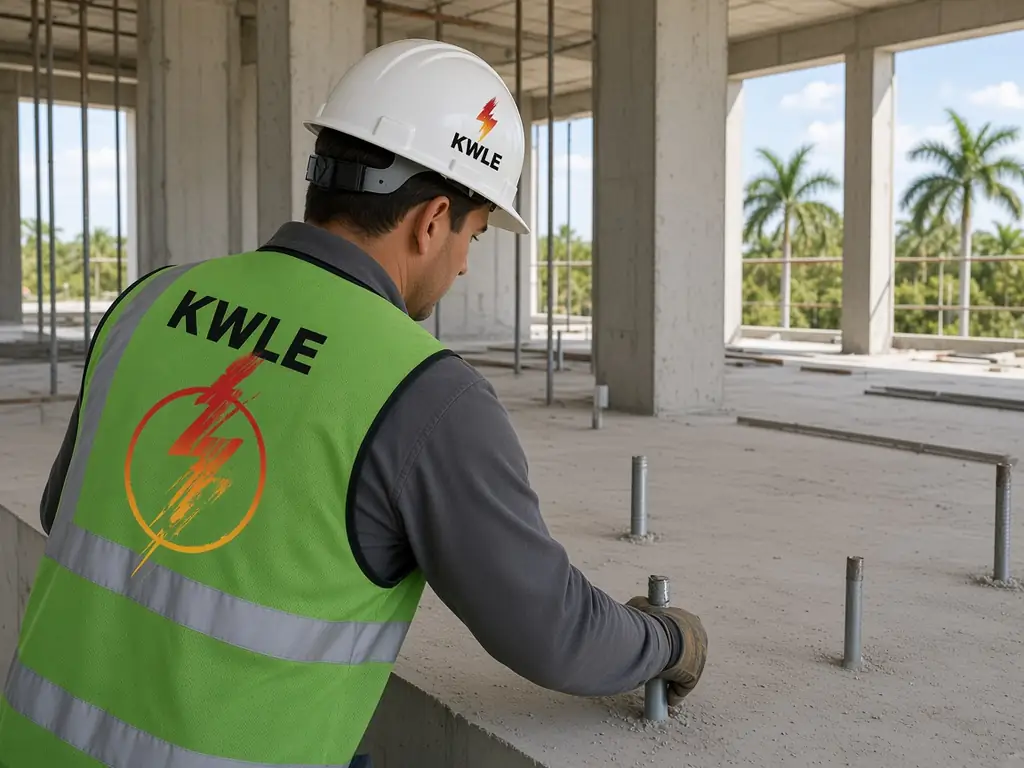
Shell building electrical in Tampa Bay: the bones that tenants build on
A shell building is a structure with walls, roof and slab but no finished interior. Developers build shells so tenants can later fit out the space. The electrical work in a shell sets the stage: service entrance, meters, main panels and conduit paths. Do it well, and each tenant can build out quickly.
Shell types
- Cold shell: structure and roof with minimal utilities.
- Warm shell: service, restrooms and basic lighting.
- Vanilla box: finished walls, lights and floors.
- Pad site: a lot with utilities stubbed to the edge.
- Flex building: office and warehouse mix.
- Retail strip: multiple tenant bays.
What the shell scope includes
- Florida electrical contractor license EC13014717, licensed & insured
- Woman-owned business based at 6248 Seminole Blvd, Seminole FL 33772
- 2-year workmanship warranty, 5 years with a Member Care Plan
- SPAN Authorized Installer and Home Depot preferred contractor
- Open 24/7 for electrical emergencies: call or text (727) 476-7079
The shell package may include the service entrance, meter bank, main distribution panel, feeders to each bay, exterior lights, site lighting and conduit stubs. The scope depends on the developer’s plan and the tenant’s expected needs. We read the drawings and write a clear scope.
Service size and capacity
Developers often do not know tenant needs. We size the service for likely uses and leave spare capacity. We also plan transformer pads and room for future upgrades.
Meter banks and tenant panels
Each tenant bay gets a meter and a panel. We place the meter bank in an accessible location and run feeders to each bay. Panels are installed or stubbed, depending on the scope. We label each bay and meter.
Conduit paths and sleeves
Conduit under the slab and in walls must be placed before concrete and block. We install sleeves for future data, fire alarm and power. A map of each path goes into the closeout package.
Site and exterior lighting
Parking lots, walkways and building lights set the tone. We install poles, wall packs and sign power, and place photocell controls. Fixtures are chosen to limit light spill.
Warm shell extras
Warm shells add restrooms, a basic lighting grid and cooling stubs. We provide circuits for each, install outlets and light fixtures and label panels.
Coordination with utilities
The power company needs plans for transformers and service routes. We submit load info, coordinate pad locations and schedule hookups. Delays here can slow openings.
Permits and inspections
Shell buildings have their own permits and inspections. We prepare the package, meet the inspector and keep records. Our workmanship carries a 2-year warranty, or 5 years with the Member Care Plan.
Why call Keywest Lights & Electric
Developers pick a licensed, insured, woman-owned crew that documents each stage and keeps tenants ready to move in. Call or text (727) 476-7079.
Tenant turnover and future fit-out
When a tenant moves in, they connect to the shell’s stubs. We can return for tenant work, such as retail build out electrical, without cutting into the slab.
Documentation for owners
We hand over as-built drawings, panel schedules, meter maps and warranty details. A clean file saves hours for the next contractor.
Electrical rooms and clearances
Main panels and meter banks need clear working space in front. We plan the room size, door swing and lighting. We also place a spare outlet and a labeled directory.
Slab penetrations and pre-pour inspections
Conduits that rise through the slab must be in the right bay and at the right height. Before concrete, the inspector checks sleeves and ground rings. We photograph each stub and mark it on the plan.
Grounding rings and building steel
A shell needs a grounding electrode system. We bond building steel, install a ring or rods and test resistance. Clean ground paths protect tenants later.
Roof-top unit disconnects and curb wiring
Tenants add air conditioners later. We stub conduits to the roof, set disconnects and leave pull strings so units can be wired quickly.
Fire alarm and sprinkler stubs
Shells often need fire alarm and sprinkler power. We install circuits, boxes and conduit to riser rooms and leave labeled breakers.
Load letters, will-serve letters and utility forms
The power company often needs a load letter and a will-serve letter before it schedules a transformer. We prepare the load figures, submit the forms and track replies so crews and trucks arrive when planned.
Fault current, labels and arc-flash information
Larger panels carry labels with fault current and arc-flash data. We gather the numbers from the power company, calculate where needed and print durable labels. Tenants and electricians can then work with proper protection.
Sub-slab conduit bundles
Where many conduits cross under the slab, we use spacers to keep them neat and use sleeves for long pulls. We pressure-test or pull a mandrel through critical lines before the pour.
Roof drains, scuppers and rooftop wiring
Roof wires should stay clear of drains and low points. We choose raised supports and sealed fittings and label every roof conduit.
Parking-lot trenching and traffic loads
Trenches under drive lanes need deeper cover or concrete encasement. We plan routes, mark lines and restore pavement edges neatly.
Temporary power and construction metering
Construction crews need power long before tenants arrive. We install a temporary service, ground-fault outlets and a labeled shutoff, then convert it into permanent service at turnover.
Wind-borne debris and rooftop hardware
Roof conduits and disconnects face hard storms. We strap equipment with stainless parts and avoid long unsupported runs.
Closeout photos and labeling
Before ceilings close, we photograph every box, conduit stub and panel interior. Each photo carries a date and bay number, so tenants and later electricians can locate hidden paths.
Hose bibs, irrigation controllers and landscape power
Shells outdoors need power for irrigation clocks, landscape lights and a pressure-wash outlet. We install weatherproof boxes with ground-fault protection near each hose bib.
Common questions
What is shell building electrical? It is the base electrical system a building needs before tenants build out the inside.
Do you size the service? Yes, with the developer’s load estimates.
Can you set meter banks? Yes.
Can you do site lighting? Yes.
Can you return for tenant work? Yes.
Who handles permit paperwork? We prepare and file it.
Do you give as-built drawings? Yes.
Where do you work? Across Pinellas, Hillsborough and Pasco counties. Call or text (727) 476-7079 with your address.
Local pages: shell building electrical in Seminole, our home base. See also Pinellas County, Hillsborough County and Pasco County service areas, or browse all electrical services.
Call or text (727) 476-7079 for shell building electrical in Tampa Bay, or book online. Business hours 7 AM–5 PM, weekend service, 24/7 emergency calls.