
Need fuse box replacement in Tampa Bay? Keywest Lights & Electric replaces old fuse boxes with modern breaker panels across Pinellas, Hillsborough and Pasco counties. We are a woman-owned contractor under license EC13014717, and we handle the permit, the power company coordination and the new grounding.
Request fuse box replacement in Tampa Bay
Tell us what you need and where the work is. A licensed electrician will reply with next steps and a time to visit.
Call or text (727) 476-7079 · open 24/7 for emergencies · request a quote online
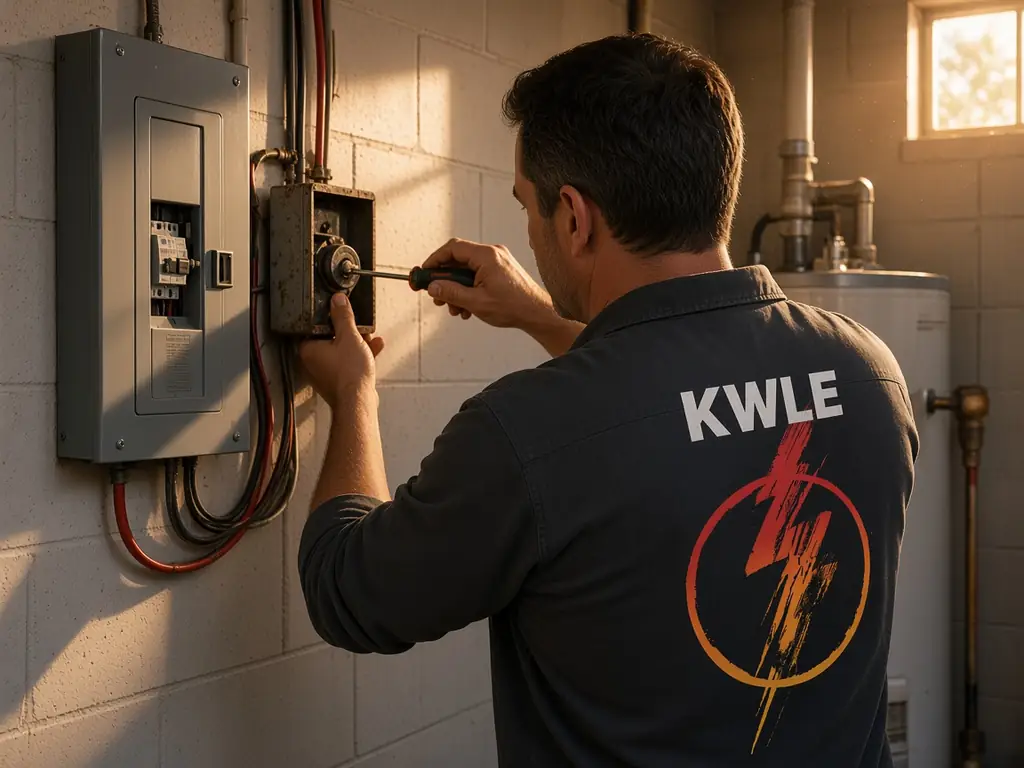
Fuse box replacement in Tampa Bay: from screw-in fuses to breakers
Fuse boxes served homes for decades. They protect wires by melting a metal strip. They also invite problems: pennies behind fuses, oversized fuses, a lack of modern protection and too few circuits. Many insurers will not cover a home that still has one. Replacing it with a breaker panel is a major safety and value upgrade.
Signs you have a fuse box
- Round screw-in fuses: threaded glass or ceramic plugs.
- Cartridge fuses: cylinders in pull-out blocks.
- Few circuits: 60 amps or less on the label.
- Frequent blown fuses: overloads from modern use.
- Warm fuse holders: loose or corroded contacts.
- Scorch marks: heat damage in or around the box.
Why they are a risk
- Florida electrical contractor license EC13014717, licensed & insured
- Woman-owned business based at 6248 Seminole Blvd, Seminole FL 33772
- 2-year workmanship warranty, 5 years with a Member Care Plan
- SPAN Authorized Installer and Home Depot preferred contractor
- Open 24/7 for electrical emergencies: call or text (727) 476-7079
Fuse boxes were designed for lighter loads. A homeowner may screw in a larger fuse to stop blowing, which lets wires overheat. Old holders wear out and loosen. There is no arc-fault or ground-fault protection, and many boxes lack a ground wire. Brittle insulation hides behind the box.
What replacement involves
We shut off power with the power company if needed, remove the old box and install a new breaker panel with a main breaker, a surge device and correct grounding. We reconnect each circuit, test it and label the breaker. Many homes need updated wire at the box, new grounding and new service parts.
Service size
A 60-amp fuse service cannot support modern living. We use a load calculation to size the new service, usually 150 or 200 amps. A larger service may need a new meter base, a heavier service wire and a new mast. We coordinate the work and the inspection.
Wiring in older homes
Houses with fuse boxes often have old wiring: cloth cable, knob-and-tube or aluminum. We inspect what is visible, tell you what we find and recommend repairs where needed. A panel swap is a good time to fix hidden problems.
Insurance and inspections
Replacing a fuse box often lowers insurance risk and satisfies inspection requirements. We provide a letter after the final inspection. Buyers and sellers often use this as part of a deal.
Timeline and power outage
Most replacements take one working day. Power is off for part of that time. We schedule around your needs and tell you what to expect for refrigerators and medical equipment.
Quotes, permits and warranty
A panel replacement needs a permit and inspection, which we handle. Our workmanship carries a 2-year warranty, or 5 years with a Member Care Plan.
The penny trick and other dangerous habits
Some owners have replaced blown fuses with a coin or a bigger fuse to stop the nuisance. That removes protection and invites fire. When we open old boxes, we sometimes find such fixes. We explain the risk without blame and show how a modern panel prevents it.
Breaker types in the new panel
A new panel can hold standard breakers, arc-fault breakers for bedrooms and living areas and ground-fault breakers for wet locations. We select types as the code requires and explain what each does. Labels in the panel directory tell you which breaker protects each room.
Grounding and bonding the new service
Many old fuse boxes lack a proper ground. We drive ground rods or connect to a suitable electrode, bond the water piping and set the neutral and ground correctly at the service. These steps matter for shock protection and for surge devices to work.
Preparing for a panel change
Clear a path to the panel, move items from nearby shelves and plan for a day without power. Unplug sensitive electronics. If you rely on medical equipment, tell us in advance so we can schedule around it. We protect floors and clean up when done.
Fuse types and their risks
Edison-base fuses fit any size, so a 30-amp fuse can end up on a 15-amp wire. Type S fuses fix that with adapters, but many old boxes lack them. Cartridge fuses protect large loads like ranges and dryers and wear out. Knowing which type you have tells us how much of the system is dated.
Moving from 60 amps to 200 amps
Many fuse homes have 60-amp service and a thin service cable. Upgrading to 200 amps usually needs a new meter base, a larger mast, new service wire and a new panel. Each part has its own rules. We handle the sequence, coordinate with the power company and arrange inspections in order.
Cost-saving staging
Some owners cannot do everything at once. We can stage the work: first the panel and service, then the worst circuits, then the rest. Each stage leaves the house safer. A clear plan on paper keeps you from paying twice for the same work.
Documentation after the work
We provide a panel directory, a copy of the permit and inspection record and photos of the finished panel. These help with insurance, resale and future repairs. Keep them in a folder with your other house records.
Mobile homes, duplexes and older apartments
Older duplexes and small apartment buildings may have a fuse box for each unit. Replacement involves tenants, schedules and shared service. We coordinate with managers, post notices and keep outages short. Mobile homes use panels sized for the home, and we match the equipment to the listing.
Old doorbells, thermostats and low-voltage extras
While the box is open, we check low-voltage transformers and old doorbell wiring that may connect to it. Some transformers are mounted on the panel and need to be replaced or moved. We confirm that the doorbell, thermostat and any other low-voltage items still work after the swap.
Common questions
Is a fuse box unsafe? Not by itself, but they are outdated and often misused. Insurers and inspectors may flag them.
How long does replacement take? Usually one working day, with power off for part of it.
Will I need a new meter? Sometimes. If the meter base is worn or too small, we replace it.
Can I replace fuses with breakers? Plug-in breakers exist, but a full panel replacement is the safer fix.
Do you handle the permit? Yes, including the inspection and power company coordination.
What if my wiring is old too? We inspect it, explain the options and plan repairs in stages.
Will insurance cover my home after replacement? Many insurers accept it. We provide a letter and photos.
Do you add surge protection? Yes. We install a device at the panel.
Local pages: fuse box replacement in Seminole, our home base. See also Pinellas County, Hillsborough County and Pasco County service areas, or browse all electrical services.
Call or text (727) 476-7079 for fuse box replacement in Tampa Bay, or book online. Business hours 7 AM–5 PM, weekend service, 24/7 emergency calls.