
Who can I call for emergency and exit lighting in Pinellas and Tampa Bay? For emergency and exit lighting in Tampa Bay, call Keywest Lights & Electric. We’re a woman-owned shop licensed EC13014717.
Request a quote
Tell us what you need and where you are. A licensed electrician will call or text you back to set a time. For an emergency, call (727) 476-7079, 24/7.
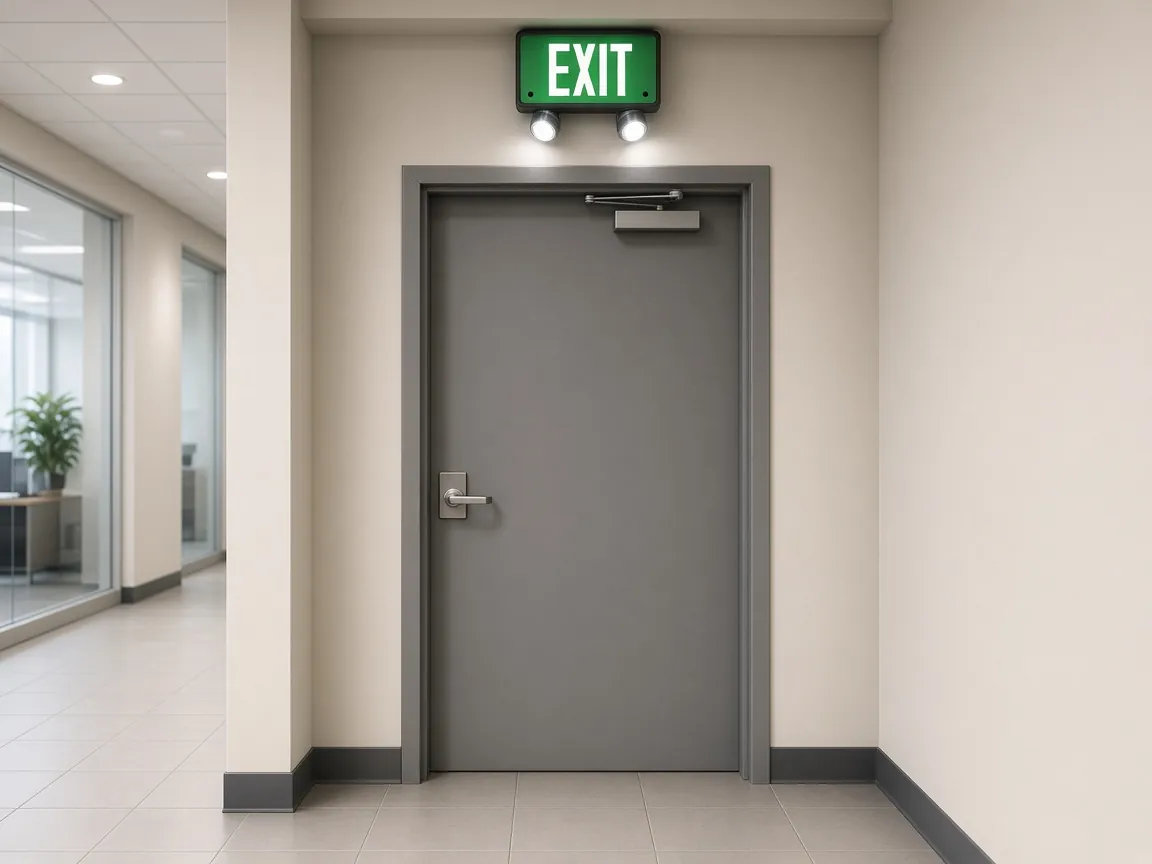
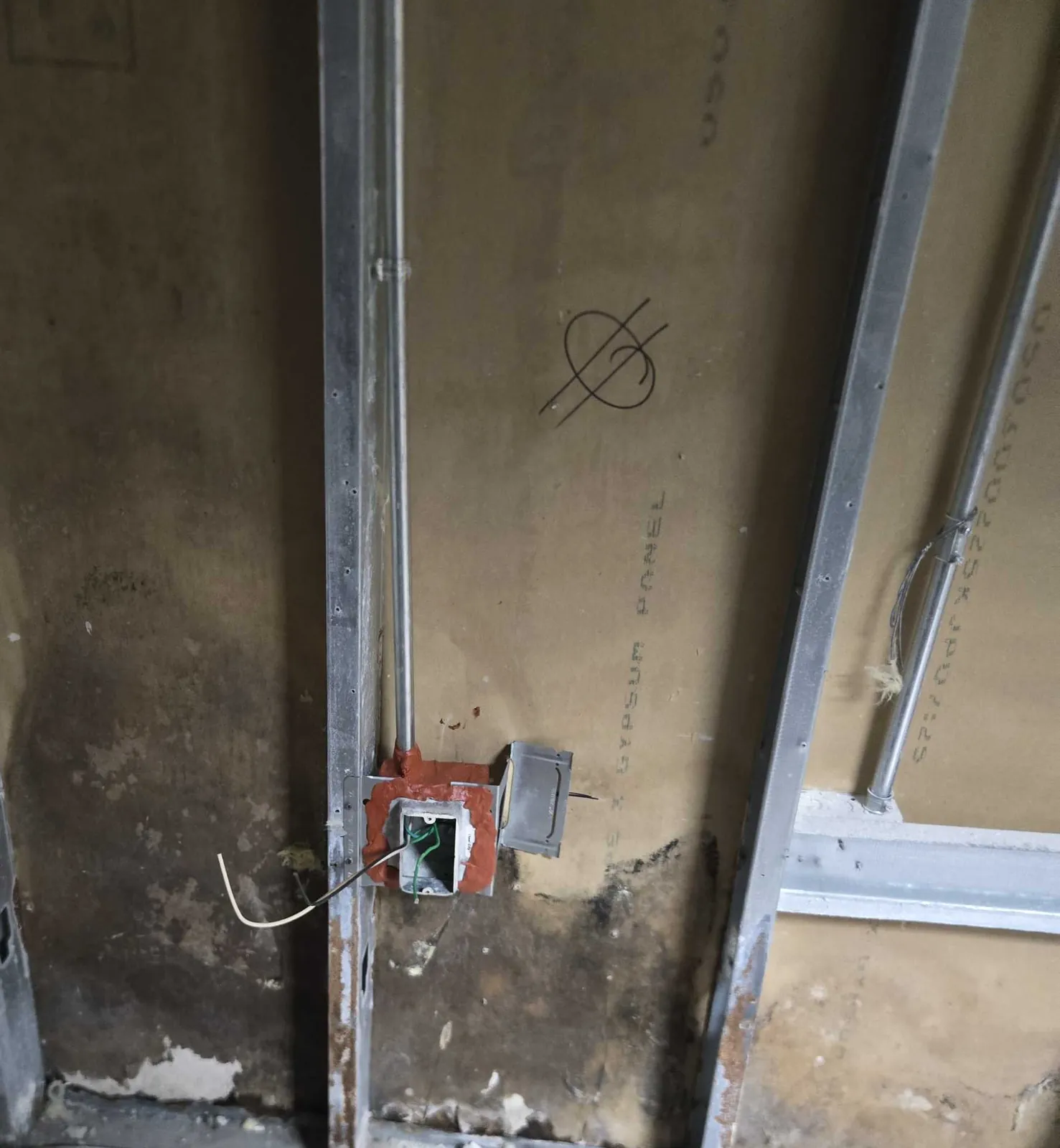
Why facility teams call us
Failed exit signs and dead battery packs come up during fire inspections. We replace them, fix the circuit and keep the testing log.
Testing
Battery emergency lights need regular tests and written records under the Life Safety Code. We run the tests and keep the paperwork for your inspector.
Permits, license and warranty
We pull the permit and schedule the inspection. Keywest Lights & Electric is woman-owned and licensed EC13014717. Exit sign and emergency light labor is covered for two years, or five on a Member Care plan. We can also test your existing units and flag any battery packs that no longer hold their full runtime. To schedule, call (727) 476-7079.
Bidding exit and emergency lighting for a building, school or public project? Send the bid documents to proposals@keywestlights.com. We take on projects up to $2 million, with bonding up to $1 million.
Commercial electrician by county: Pinellas · Hillsborough · Pasco
Buildings we keep compliant
Offices, medical suites, churches, restaurants, warehouses and condo common areas all need exit signs and emergency lights that work when the power fails. We survey the building and mark every fixture that is dead, dim or missing a battery. We check that each exit path is lit the way the plans call for. Older signs with incandescent lamps can be replaced with LED units that draw far less power and need fewer lamp changes.
When a remodel moves walls or doors, the exit path changes too. We relocate or add signs and emergency lights so the new layout is covered before the final inspection.
Monthly and yearly testing
Battery units need a short functional test every month and a longer test once a year, with written records. We can run those tests on a schedule and hand you a log your fire inspector can read at a glance.
What the Life Safety Code asks of emergency lighting
Florida enforces the Florida Fire Prevention Code, which adopts NFPA 101, the Life Safety Code. Section 7.9 covers emergency lighting for the paths people use to leave a building. When normal power drops, those lights have to come on automatically and keep the exit route lit for at least 90 minutes. Exit signs must stay readable the whole time. The light along the floor of the path has to meet the code’s minimum levels.
For battery-powered units, NFPA 101 calls for a test of at least 30 seconds every month. It also calls for a full 90-minute test once a year, with written records for the fire marshal. Many buildings fall behind on the monthly checks because nobody owns the job. We can take it over and keep the log current.
What we install and repair
- LED exit signs with battery backup, in single- or double-face models, plus edge-lit signs for lobbies and finished spaces.
- Combination units that put an exit sign and two emergency heads in one fixture, a common fix for short hallways and small suites.
- Emergency light packs (the twin-head “bug-eye” style) for stairwells, corridors, electrical rooms and storage areas.
- Remote heads run from a single battery unit to cover exterior doors and the outside landing at an exit discharge.
- Emergency ballasts and LED drivers inside regular ceiling fixtures, so normal lighting doubles as egress lighting with no extra boxes on the wall.
- Self-diagnostic units that run their own monthly tests and show a status light when a battery or lamp needs attention.
How a typical service visit runs
We start with a walk of every exit route on your plans or posted evacuation map. Each sign and emergency unit gets a push-to-test. We note anything that is dark, dim, damaged, in the wrong spot or missing. You get a written list with locations, so a property manager can see exactly what was found and where.
Repairs usually come next. We put new batteries in units that won’t hold a charge. We replace signs with cracked faces or worn-out lamps, and repair the unswitched circuit that feeds them. Emergency units must be wired to the same circuit as the normal lighting in that area, ahead of any local switch. That way the unit senses a real power loss. We check that on every job. A unit wired to a switched leg will drain its battery or miss an outage.
After the work, we run the 30-second test on every unit, update the log and give you a copy for the fire inspector. If you want, we put the building on a recurring schedule for monthly checks and the annual 90-minute test.
Fire inspection corrections
Pinellas, Hillsborough and Pasco fire inspectors cite emergency lighting often. They flag dead units, exit signs that point the wrong way, missing signs at a changed door, and no test records. Send us the inspection report and we’ll price each item. We make the fixes and return the paperwork you need to close it out. When a correction means new wiring or relocating fixtures, we handle the permit.
Remodels, tenant build-outs and change of use
Moving walls, adding doors or turning a retail space into an office changes the exit path. New layouts often need extra signs, additional emergency heads or a new exterior unit at the discharge door. We work from the architect’s life-safety plan during a commercial build-out. The exit lighting is ready before the final inspection, not after.
Who we work with
Property managers, condo and HOA boards, and church facilities teams. Medical and dental offices, restaurant owners, and warehouse and light industrial tenants. Each gets the same thing. You get a clear list of what failed and a fixed scope before work starts. And you get records that hold up at the next inspection.
More on the service itself: all of our electrical services. Related commercial work: our commercial electrical construction overview and the main commercial electrician service page.
Emergency and exit lighting in Tampa Bay for testing, repairs, and inspections
Emergency and exit lighting in Tampa Bay is installed, tested and repaired so a monthly or yearly check isn’t a scramble the week of an inspection. We write up heads, exit signs and inverter gear from the building we walk, not from a generic list.
Emergency and exit lighting questions
Why does my exit sign flicker? A failing battery, a worn lamp or a loose connection are common causes. We test the unit and the circuit and replace what has failed.
Can you fix items from a fire inspection report? Yes. Send us the report and we will correct the exit and emergency lighting items it lists.
How often do emergency lights have to be tested? Under NFPA 101, battery units need a functional test of at least 30 seconds every month and a 90-minute test once a year, with written records.
How long must emergency lights stay on? At least 90 minutes after normal power is lost, per the Life Safety Code.
Do you pull permits for new exit signs? Yes. When the work adds or moves fixtures or circuits, we pull the permit and meet the inspector.
Related: Healthcare electrical · HOA and condo association electrical · apartment and multifamily electrical · church and house of worship electrical