
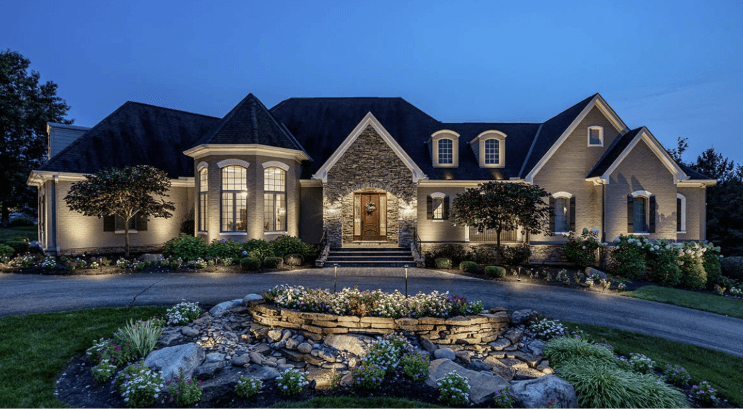
Meta Description: Outdoor lighting installation Pinellas County: a St. Petersburg guide to permits, storm-ready fixtures, cost factors, and hiring a licensed local electrician.
Excerpt: A practical guide to outdoor lighting installation in Pinellas County for St. Petersburg, Seminole, and Tampa Bay homeowners and small businesses, covering when to call a licensed electrician, Florida weather issues, and what a quality job should include.
Focus Keyword: outdoor lighting installation Pinellas County
Suggested Slug: outdoor-lighting-installation-pinellas-county
FAQ:
Q: Do I need a permit for outdoor lighting installation in Pinellas County?
A: Often yes if the work adds a new circuit, new outdoor outlets, or changes the electrical system. Fixture swaps on an existing, code-compliant circuit may be simpler, but a licensed electrician should confirm local permit rules in St. Petersburg, Seminole, Largo, Clearwater, or unincorporated Pinellas County before work starts.
Q: Can I install landscape lighting myself, or do I need a licensed electrician?
A: Plug-in or fully listed low-voltage kits used as directed may be a DIY option for some homeowners. New 120-volt circuits, buried line-voltage cable, wet-location outlets, panel connections, and most commercial work should be done by a licensed Florida electrical contractor.
Q: Will outdoor lighting still work after a Tampa Bay storm?
A: Only if the circuit, connections, and fixtures were installed for wet locations and stayed intact. Storms commonly expose loose splices, flooded boxes, and corroded fittings. A licensed electrician can inspect, repair damage, and add GFCI protection and surge protection where it makes sense.
Q: Does outdoor lighting mean I need an Panel Upgrade: When Your Home Needs One”>electrical panel upgrade?
A: Not always. Many homes can add a modest lighting circuit if the electrical panel has space and capacity. Older St. Petersburg and Pinellas County homes with full panels, double-tapped breakers, or extra loads such as an EV charger may need a panel upgrade before new lighting is added.
Q: How long does outdoor lighting installation usually take?
A: A small porch or security-light job may be finished in a day once materials and permits are in place. Larger landscape, pathway, or commercial lighting with trenching, controls, and inspections often takes several days, plus time for the permit and final inspection.
Q: What is the difference between low-voltage landscape lighting and 120-volt outdoor lighting?
A: Low-voltage systems typically use a transformer and are common for paths, plants, and accent lights. Line-voltage 120-volt lighting is more common for floods, building-mounted fixtures, parking lots, and outlets. Both need correct wet-location gear; line-voltage work has stricter wiring, burial, and GFCI rules.
Outdoor Lighting Installation Pinellas County: What St. Petersburg Homeowners Should Know
Outdoor lighting looks simple until a fixture fails in a summer downpour, a path light goes dark after a storm, or a new circuit overloads an older panel. For homeowners and small commercial property owners, outdoor lighting installation Pinellas County is not just about picking lanterns. It is about wet-location wiring, permits, corrosion, and a licensed electrician who understands Tampa Bay weather.
If you live or own property in St. Petersburg, Seminole, Pinellas Park, Largo, Clearwater, or nearby Tampa Bay cities, this guide explains what the job actually includes, when to stop DIY work, what Florida conditions change the plan, and how to judge a quality installation before you call.
What Outdoor Lighting Installation in Pinellas County Means
In plain English, outdoor lighting installation is the electrical work that puts light where people walk, park, gather, or need security, and keeps that system safe in rain, salt air, and heat.
It is more than hanging a fixture on a wall. A complete job may include:
- Choosing wet-rated or damp-rated fixtures for the actual location
- Adding or repairing outdoor outlets that serve lights, timers, or seasonal displays
- Running new circuits from the electrical panel
- Installing switches, photocells, timers, or controls
- Using listed weatherproof boxes, covers, and connectors
- Protecting circuits with GFCI where required
- Checking that the electrical panel can handle the extra load
- Outdoor lights flicker, dim, or go out when it rains
- A GFCI outlet or breaker trips when landscape or security lights turn on
- Fixtures, screws, or boxes are rusty, chalky, or crumbling
- You can see bare wire, loose splices, or lamp cord used outdoors
- Covers are missing, cracked, or will not close on outdoor outlets
- Lights stay on in daylight or never come on at dusk
- The fixture or canopy is hot to the touch
- A previous DIY job used indoor fixtures, indoor boxes, or extension cords as permanent wiring
- The electrical panel is full, warm, or already has double-tapped breakers
- After a storm, some outdoor circuits are dead while indoor power is fine
- New 120-volt outdoor lighting or outlets
- Lights tied into the electrical panel
- Buried cable or conduit
- Commercial parking, walkway, or emergency lighting
- Work on an older home where the panel, grounding, or existing outdoor circuit is unknown
- Available breaker spaces
- Panel condition and labeling
- Grounding and bonding
- Existing outdoor GFCI protection
- Total load if you also want an EV charger, workshop, or other additions
- A site walk-through covering walkways, dark corners, cameras, stairs, parking, and neighbor glare
- A load and panel check so new lighting does not overload the electrical panel
- The right voltage for the use, not a one-size-fits-all kit
- Listed wet- or damp-rated fixtures matched to the location
- GFCI protection where outdoor lighting and outlets require it
- Weatherproof boxes, in-use covers, and wet-location connectors
- Proper support and burial for conduit or cable, not landscape staples as a substitute for code
- Controls that match how you live or operate, such as switches, photocells, timers, or motion sensors
- Clean aiming so security lights light the driveway instead of a neighbor’s bedroom
- A permit and inspection when the scope requires them
- A walk-through at the end so you know how to change lamps, reset GFCIs, and operate controls
- Number and type of fixtures. A pair of porch lights is not
For a house in St. Petersburg, that might mean porch lights, driveway floods, and low-voltage path lights. For a small business, it might mean parking-lot poles, building-mounted floods, walkway lighting, and emergency lighting that stays reliable after hours.
Low-voltage landscape lighting and 120-volt (line-voltage) lighting are both common. They are not interchangeable.
Low-voltage landscape lighting usually runs through a transformer. It is often used for paths, trees, beds, and architectural accents. The transformer still needs a proper power source, listing, and weather protection.
Line-voltage outdoor lighting uses standard 120-volt circuits. It is typical for security floods, wall packs, soffit lights, garage and parking lighting, and many commercial fixtures. Burial depth, conduit, GFCI, and wet-location fittings matter more here, and this is not casual DIY work.
A licensed electrician looks at both the lights and the system behind them: the panel, grounding, existing outlets, and whether the run can survive Pinellas County humidity instead of failing in a year.
Common Outdoor Lighting Projects in the Tampa Bay Area
Most calls fall into a few groups. Knowing which one you need helps you describe the job clearly.
Security and entry lighting
Driveway floods, motion lights, porch lanterns, and garage-side fixtures help people see keys, steps, and vehicles. These lights take weather directly and should be wet-location rated if they are exposed to rain.
Landscape and pathway lighting
Path lights, well lights, deck step lights, and tree uplights make yards usable after dark. In Seminole and St. Petersburg neighborhoods with mature oaks or dense landscaping, routing cable without damaging roots, irrigation, or pavers is part of the work.
Patio, deck, and gathering areas
Pergolas, lanais, and rear decks often need switched lighting and GFCI-protected outlets. A lighting-only plan that ignores outlets usually gets revised the first time someone wants a fan, heater, or plug-in lamp outside.
Commercial and small-business lighting
Storefronts, parking lots, sidewalks, and tenant spaces need even light, working controls, and, in many buildings, emergency lighting. A commercial electrician should plan fixture type, mounting, photocells, and circuit layout so the property is usable and inspectable.
Repairs after storms or age
Corroded sockets, cracked lenses, flooded junction boxes, and lights that die after every heavy rain are electrical repair jobs, not “just a bulb.” In coastal Pinellas County, replacement often includes the fixture, the box, and the connections, not only the lamp.
Outdoor lighting sometimes overlaps with other electrical work. If you are already planning an EV charger, a panel upgrade, or new outdoor outlets, it is usually smarter to assess those loads together instead of adding circuits one at a time.
Warning Signs and When to Call a Licensed Electrician
Call a licensed electrician if you notice any of the following:
Do not keep resetting a tripping GFCI or breaker and hope it “settles down.” That device is telling you there is a ground fault, a damaged cable, water in a box, or a load problem.
Call before you start if you want any of these:
A homeowner can change a like-for-like bulb or, in some cases, a listed low-voltage kit used exactly as instructed. New circuits, wet-location outlets, panel connections, and most commercial work belong with a licensed Florida electrical contractor.
Florida and Pinellas County Issues That Change the Job
Tampa Bay is hard on outdoor electrical work. A fixture that lasts inland may fail fast on a St. Petersburg waterfront wall or an uncovered Seminole patio.
Humidity, rain, and salt air
Moisture gets into cheap sockets, unsealed connectors, and indoor-rated boxes. Salt air speeds up corrosion on screws, housings, and exposed fittings. Quality outdoor lighting installation uses wet-location fixtures where rain hits, weatherproof boxes, listed wet-location connectors, and covers that actually seal.
“Damp location” and “wet location” are not the same. A covered front porch may be damp-rated. An open wall pack, path light, or flood exposed to driving rain needs a wet rating. Using the wrong one is a common reason lights fail after the first wet season.
Storms, wind, and lightning
Pinellas County storms push water sideways, take down limbs, and send surges through the electrical system. Fixtures need solid mounting, not a wobbly canopy on rotten wood. Connections should be in proper boxes, not twisted wire under a landscape rock.
Whole-home surge protection will not make outdoor lighting storm-proof, but it can reduce damage to transformers, drivers, and controls. After a major storm, treat outdoor circuits as suspect until they are inspected.
Heat and fixture choice
LED fixtures run cooler and use less energy than old halogen landscape lamps, which matters in Florida heat and on transformers that already run warm. Cheap LED drivers still fail if water enters the fixture. Look for outdoor-rated, wet-listed products, not indoor decorative lights moved outside.
Older homes and limited electrical panels
Much of St. Petersburg, Gulfport-adjacent streets, Largo, and older Clearwater neighborhoods were wired long before landscape lighting, EV chargers, and extra outdoor outlets were normal. A 100-amp panel that is already full may not take another circuit safely.
A quality electrician checks:
If the panel is the weak point, lighting is not the first step. A panel upgrade or a cleaner circuit layout may come first.
High water table, irrigation, and hardscape
Trenching in Pinellas County is not always a straight, dry ditch. Irrigation lines, low spots, pavers, and roots get in the way. Cable and conduit must be buried and protected to code, not scratched in just below the sod. If the yard floods, boxes and transformers need locations that will not sit in standing water.
Permits and inspections
Pinellas County, St. Petersburg, and nearby cities generally require permits for new electrical circuits and many outdoor installations. Rules differ by city and by whether the work is a simple replacement or a new run from the panel.
A licensed contractor should pull the correct permit, use Florida Building Code and National Electrical Code requirements as adopted locally, and meet the inspector. Skipping the permit to “keep it cheap” can create problems when you sell the house, file an insurance claim, or have a fire or shock incident.
If your property has an HOA, you may also need approval for fixture style, brightness, and aiming. That is separate from the electrical permit, but it can affect product choice.
What a Quality Outdoor Lighting Installation Should Include
A neat row of path lights is not proof the job was done right. Ask what happens behind the walls, under the lawn, and in the electrical panel.
A solid residential or small-commercial job should include:
For commercial properties, add working emergency lighting where required, even illumination in parking and walking areas, and labeling that a future electrician or inspector can follow.
Keywest Lights & Electric is a licensed Florida electrical contractor (EC#13014717) serving homes and businesses within about 25 miles of St. Petersburg (33701). The company was founded in 2010 and is women-owned. The standard that matters on this kind of job is simple: do the electrical work correctly the first time so the lights still work after the next rainy season.
That includes saying no to indoor fixtures outside, overloaded panels, and “temporary” wiring left in place.
Cost Factors for Outdoor Lighting Installation (No Guesswork Prices)
There is no honest flat price that fits every Tampa Bay property. Anyone quoting a number without seeing the panel, the run, and the ground is guessing.
These factors drive cost: