
A small spark behind a wall can grow into a house fire before you even smell smoke. Many homeowners in St. Petersburg and across Pinellas County live with aging wiring, crowded outlets, and cords that were never meant to run a whole room. The danger is quiet until it is not. Heat builds in a hidden splice. A bathroom outlet sits too close to a sink. A space heater shares a strip with a TV and a lamp. Electrical safety tips for homeowners start with noticing those everyday habits that raise fire risk. Key West Lights and Electric sees the same warning signs in Tampa Bay homes: warm outlets, overloaded circuits, and bathrooms without GFCI protection. Catching those issues early is far easier than recovering from a fire.
You do not need to become an electrician to make your home safer. You do need a clear plan. Watch how power is used, keep water away from outlets, give the electrical panel room to breathe, and keep smoke alarms ready. When a job involves the panel, the service, aluminum wiring, or old knob-and-tube, stop and call a licensed electrician. Those tasks are not weekend projects.
Know the warning signs before they become a fire
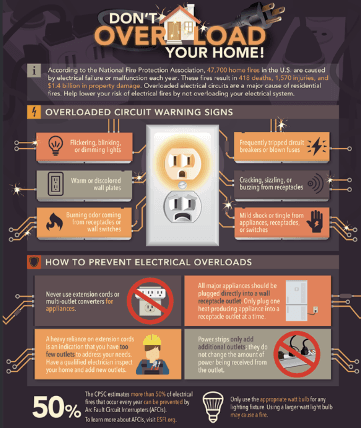
Most electrical fires do not start with a dramatic flash. They start with heat. A plug that feels warm. A switch that crackles. Lights that dim when the microwave starts. A faint burning smell near an outlet. Those clues matter in Florida homes, where humidity, salt air, and older construction can wear on connections over time.
Walk through your house with a notepad. Check kitchens, bathrooms, garages, and bedrooms. Note any outlet that is warm, discolored, or loose. Note any breaker that trips often. Frequent trips are a message, not a nuisance. Resetting the same breaker again and again does not fix the load or the fault behind it.
If you smell burning plastic, see scorch marks, or hear buzzing at a receptacle, unplug what you can and keep people away from that area. Then have a licensed electrician inspect the circuit. Do not keep using a damaged outlet while you wait.
Stop overloaded circuits before they overheat
Overloaded circuits are one of the most common fire risks in busy homes. A circuit can only carry so much current. When too many appliances share it, the wiring heats up. Heat damages insulation. Damaged insulation can arc. Arcing can ignite nearby wood or dust.
Kitchens and home offices are frequent trouble spots. Toasters, air fryers, coffee makers, and microwaves draw a lot of power. Computers, monitors, printers, and chargers add up in a small room. Window units and space heaters are especially hard on older circuits. A heater should have its own dedicated outlet whenever possible, and it should never share a power strip with other gear.
Spread high-draw devices across different rooms and different circuits when you can. Unplug appliances you are not using. If a room regularly needs more power than the outlets can handle, that is a wiring and circuit issue, not a shopping issue. A licensed electrician can evaluate the load and recommend safe options. Do not add breakers, swap panel parts, or attempt a service change yourself.
Treat extension cords as temporary tools
Extension cords are useful. They are not permanent wiring. When a cord stays under a rug, behind a sofa, or taped along a baseboard for months, it can overheat, fray, or get pinched. Furniture legs crush insulation. Foot traffic wears the jacket. Heat has nowhere to go under carpet.
Use a cord only for a short-term need, and match it to the job. A thin indoor cord is not for a shop vac or a window air conditioner. Keep cords fully uncoiled when they carry a load. A coiled cord traps heat. Never daisy-chain power strips or plug one extension cord into another. That chain hides the true load and is a classic path to overloaded circuits.
Inspect cords before you use them. Look for cracked jackets, bent prongs, and loose plugs. Throw out damaged cords. Do not tape over a nick and keep using it. If you need power in the same spot every day, you need a proper outlet, not a longer cord. Have a licensed electrician add a receptacle rather than living with a permanent extension cord.
Keep water and electricity apart with GFCI protection
Water and electricity do not mix. Kitchens, bathrooms, laundry rooms, garages, outdoor outlets, and pool equipment areas all need extra care. A ground-fault circuit interrupter, or GFCI, is designed to shut off power quickly if current leaks on a path it should not take, including through a person.
Test GFCI outlets once a month. Press the test button. Power should cut off. Press reset to restore it. If the outlet will not trip or will not reset, stop using it and call a licensed electrician. Do not bypass a GFCI that fails. That device is there to protect people, not to be a convenience switch.
Keep small appliances away from sinks. Unplug hair tools when you finish. Do not use a radio, phone charger, or power tool near a full tub or a wet floor. Outdoor holiday lights and landscape lighting should use outdoor-rated cords and GFCI-protected outlets. After a storm in the Tampa Bay area, stay away from flooded outlets, submerged cords, and standing water near electrical equipment. Have a professional check anything that got wet before you restore power to that area.
Give the electrical panel room and respect its limits
Your electrical panel is the heart of the home’s power system. It needs clear space so heat can escape and so a firefighter or electrician can reach it in an emergency. Keep storage, shelves, and clutter away from the panel. Do not hang coats on it or stack boxes in front of it. A simple rule of thumb used in many homes is to keep a clear working space in front of the panel, with nothing blocking the door.
Look at the panel cover from the outside only. Note labels that are missing, breakers that feel hot to a light touch on the handle, or rust and moisture around the box. Those are reasons to schedule a licensed electrician. Do not remove the cover, tighten connections, replace breakers, or attempt any panel or service work yourself. The same rule applies to aluminum branch circuits and knob-and-tube wiring. Those systems need a trained professional, not a how-to video.
If your home is older, the panel may no longer match how you live. Extra bathrooms, a home office, EV charging, or a new HVAC system can outgrow the original design. An inspection can tell you whether the system is strained. Leave diagnosis and any upgrade to a licensed electrician.
Keep smoke alarms ready and linked to a plan
Smoke alarms will not prevent an electrical fault, but they give you time to get out. Place alarms on every level, inside each bedroom, and outside sleeping areas. Follow the manufacturer’s guidance for placement and replacement. Test alarms monthly. Replace batteries when the unit chirps, and replace the alarm itself when it reaches the end of its listed life, which is often printed on the back of the unit.
Do not disable an alarm because of cooking smoke. Use the hush feature if it has one, and improve ventilation. Interconnected alarms are especially helpful in larger or multi-story homes because one unit can alert the whole house. If you are not sure your alarms still work, or if an older Florida home has too few of them, add that to your safety checklist and have the layout reviewed during an electrical visit.
Pair alarms with a simple family plan. Know two ways out of each bedroom. Keep flashlights where you can find them in the dark. Practice without turning it into a drill that scares young children. The goal is calm action, not panic.
Florida homes and older wiring need extra attention
St. Petersburg, Pinellas County, and the wider Tampa Bay area have a mix of mid-century houses, waterfront properties, and renovated bungalows. Many of these homes were built for fewer appliances than a modern family uses. Window units, pool pumps, boat lifts, and kitchen remodels all add load. Coastal air can corrode outdoor fixtures and connections faster than inland air.
If your house still has two-prong outlets in some rooms, that is a sign the system is dated. If lights flicker when a large appliance starts, the circuit may be undersized or a connection may be loose. If you find cloth-insulated wiring, aluminum branch circuits, or knob-and-tube, do not patch around it. Document what you see and hire a licensed electrician. Those materials can be made safer in the right hands, but they are not DIY work.
Storm season adds another layer. Surge events, flooded garages, and downed trees can damage service equipment. After severe weather, look from a safe distance for hanging wires, buzzing meters, or water around the panel. Stay back and call for professional help. Never attempt to dry, reset, or repair service equipment yourself.
A simple electrical safety checklist
Use this list once a season. It is meant for observation and habits, not for opening electrical equipment.
- Feel plugs and cords after they have been in use. Warm is a warning. Hot means unplug and stop using that device or outlet.
- Look for discolored, cracked, or loose outlets and switches. Schedule a licensed electrician if you find any.
- Count what is plugged into each room. Move high-draw appliances off shared strips and avoid overloaded circuits.
- Remove extension cords that have become permanent. Replace them with a properly installed outlet.
- Test every GFCI monthly. Note any that fail to trip or reset.
- Keep water, steam, and wet hands away from outlets, and unplug grooming tools after use.
- Clear storage from in front of the electrical panel. Do not open the panel.
- Test smoke alarms monthly and replace units that have reached the end of their listed life.
- Keep space heaters on a hard, level floor, away from bedding and curtains, and on a circuit that is not already busy.
- After storms, stay away from wet electrical equipment and call a licensed electrician before restoring use.
When to call a licensed electrician
Some jobs belong only to a licensed electrician. Call if breakers trip often, if outlets spark, if you need new circuits, or if you suspect aluminum or knob-and-tube wiring. Call if you want GFCI protection added to older baths, kitchens, garages, or outdoor receptacles. Call if the panel is rusted, unlabeled, or too small for how you live. Do not attempt panel work, service changes, aluminum repairs, or knob-and-tube replacement on your own.
A safety visit is a conversation as much as an inspection. Describe how you use each room. Mention new appliances, a home office, or plans for a pool or workshop. The electrician can then look at load, protection, and fire risks in context rather than guessing from a single outlet.
Good electrical safety tips for homeowners are not about fear. They are about habits you can keep and work you should not do yourself. Cords stay temporary. Water stays away from outlets. Circuits stay within their limits. The panel stays clear. Smoke alarms stay tested. When something looks wrong, you get help instead of hoping it will hold.
If you want a professional set of eyes on your home in St. Petersburg, Pinellas County, or the Tampa Bay area, schedule a visit. Key West Lights and Electric recommends an annual safety check. Call (727) 776-0718 or visit https://keywestlights.com/ to request an inspection or estimate.