
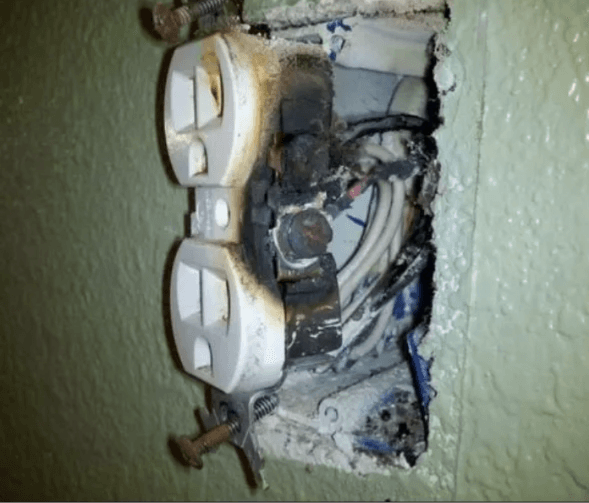
If you own an older home in St. Petersburg or elsewhere in Pinellas County, you may have heard that aluminum branch circuits can overheat. Warm switch plates, flickering lights, or a faint burning smell near outlets are not small annoyances. They can point to aluminum wiring dangers that deserve a licensed look. Key West Lights and Electric can evaluate aluminum branch circuits and explain what those signs mean before a small problem becomes a larger fire risk.
This article is for homeowners and facility managers who need clear facts, not a weekend project list. Aluminum repair is not a do-it-yourself task. Connections, devices, and any work inside a panel belong with a licensed electrician who can inspect the actual wiring in your walls.
Why some older homes still have aluminum branch circuits
During a stretch of the mid-1960s through the 1970s, many builders used aluminum instead of copper for 15- and 20-amp branch circuits. Copper was expensive and in short supply. Aluminum was lighter and cheaper, so it showed up in houses, condos, and small commercial spaces across the country, including Florida.
Service-entrance cable is a different subject. Large aluminum feeders are still used in some installations when they are sized and terminated correctly. The concern in this article is smaller aluminum branch wiring that feeds lights, receptacles, and switches. That is the wiring most often tied to loose connections and heat at devices.
If your home was built or remodeled in that era, do not assume the wiring was later replaced. Paint, new cover plates, and updated fixtures can hide original aluminum conductors. A visual check at a removed cover plate may show silver-colored wire instead of copper. Confirmation still belongs to a licensed electrician, because mixed repairs are common and labels can be missing.
What makes aluminum wiring a fire risk
Aluminum is a good conductor, but it does not behave like copper at a screw terminal. It expands and contracts more as current heats the wire and then cools. Over years of Florida heat, air-conditioning cycles, and normal household loads, those tiny movements can loosen a connection that once felt tight.
Loose connections raise resistance. Higher resistance creates more heat. Heat can darken a device, melt insulation, or ignite nearby wood and dust. That chain is the core of aluminum wiring dangers and the reason fire risk is discussed so often with this material.
Aluminum also forms an oxide layer when air reaches the metal. That film does not conduct as well as the bare metal underneath. At a poorly made splice or a device not rated for aluminum, the oxide can add still more resistance. When aluminum is joined to copper with the wrong connector, dissimilar-metal corrosion can make the joint even less reliable.
None of this means every aluminum-wired home will have a fire. It does mean the weak points are usually the terminations, not the middle of a long run of cable. Outlets, switches, fixtures, and junctions deserve the most attention.
Warning signs you should not ignore
Problems often start small. A single receptacle may feel warm after a vacuum or space heater has been plugged in. A light may flicker when a nearby load turns on. You might smell a brief hot-plastic odor near a switch. Those clues do not prove aluminum is the cause, but they are reasons to stop using that circuit and call a licensed electrician.
Other signs include cover plates that are discolored or slightly warped, frequent breaker trips on one circuit, buzzing at a device, or outlets that no longer hold a plug firmly. After storms or long outages, some homeowners first notice trouble when everything comes back on and circuits carry a sudden load.
Do not keep resetting a breaker that trips, and do not cover a warm plate with a larger decorative plate. Heat still has to go somewhere. Unplug high-draw cords from a suspect receptacle and have the circuit inspected.
Safer repair options a licensed electrician may discuss
There is no single fix that fits every house. The right plan depends on how much aluminum is present, the condition of existing devices, access in walls and attics, and how the home is used. A licensed electrician should test, open representative devices, and then explain options. The summaries below are for orientation only. They are not instructions.
CO/ALR devices
Some switches and receptacles are marked CO/ALR. That marking means the device is designed for use with copper or aluminum conductors when installed as the manufacturer specifies. Replacing an old, unmarked device with a CO/ALR device can be part of a larger plan, but it is not a complete answer by itself. The rest of the circuit, the splices, and the way the wire is terminated still matter.
CO/ALR hardware must be installed by someone who understands torque, wire preparation, and which devices are actually listed for the wire in front of them. Mixing leftover copper-only devices with aluminum wire is a common problem in older renovations. That mix can leave the fire risk in place even after a room looks updated.
Professional pigtailing
Pigtailing is a method in which a short copper lead is joined to the aluminum branch wire with a connector listed for that pairing, and the copper lead then lands on the device. Done correctly by a licensed electrician, pigtailing can move the mechanical stress off the aluminum at the screw terminal.
Done incorrectly, pigtailing can create a worse joint than the one it replaced. Connector type, preparation, and listing all matter. There is no safe shortcut with twist-on connectors that are not listed for aluminum-to-copper, and there is no place for guesswork in a junction box. If someone offers to “just add a pigtail” without confirming listed materials, that is a reason to pause.
Other licensed approaches
In some homes, a more complete repair uses specialized crimp systems or listed mechanical connectors made for aluminum-to-copper transitions. Those methods require the right tools and training. In other cases, especially when many circuits are aluminum and the home is being renovated, a licensed electrician may recommend replacing branch circuits with copper rather than repairing every device one by one.
Panel work, service changes, and any decision to rewire rooms are outside homeowner repair. Those tasks can involve load calculations, cable routing, and inspections. Ask for a written scope that names the method, the listed products, and which circuits will be addressed.
What a licensed evaluation should cover
A useful visit is more than a glance at one outlet. The electrician should ask when the home was built, whether rooms were added, and whether you have noticed heat, odor, or flicker. They should look at representative devices, note conductor metal, and check for mixed repairs. They may photograph markings on devices and connectors so you can see what is already in the boxes.
Good questions to ask include whether the devices are CO/ALR, whether existing splices are listed for aluminum, and whether any circuit should be taken out of service until it is repaired. You can also ask how humidity and seasonal load in a Tampa Bay home affect loose terminations. Coastal moisture does not create aluminum oxide by itself, but it does not help neglected connections.
Insurance carriers and home inspectors sometimes flag aluminum branch wiring during a sale. An evaluation from a licensed electrical contractor gives you language you can share. Stay with facts from the inspection. Do not rely on informal estimates of “how many houses have had fires.” Your decision should rest on the condition of your circuits.
Homeowner checklist before you call
Use this list to gather useful notes. It is not a repair guide and it does not replace a licensed inspection.
- Write down the approximate year the home or addition was built.
- List rooms with flickering lights, warm plates, odors, or frequent trips.
- Note high-draw items on those circuits, such as space heaters, irons, or window units.
- Stop using any receptacle or switch that is hot to the touch.
- Do not open the panel, tighten lugs, or attempt aluminum splices.
- Take photos of any discolored plates from a safe distance.
- Ask whether past renovations replaced devices only, or the cable as well.
- Request a written plan that names CO/ALR, pigtailing, or other listed methods if repairs are recommended.
Older homes in Pinellas County and the Tampa Bay area
St. Petersburg, Gulfport, and nearby neighborhoods have many houses from the decades when aluminum branch cable was common. Some have had kitchens and baths remodeled more than once. New stone backsplashes and USB receptacles can sit on original aluminum conductors. That contrast is easy to miss until a device is opened.
Florida heat and long cooling seasons mean circuits that feed air handlers, pool equipment, or window units may work harder than the same circuits in a milder climate. Branch-circuit aluminum is not the same as a properly installed aluminum feeder, but extra load still stresses weak terminations. If you manage a small commercial space in an older building, treat warm devices and nuisance trips with the same caution you would at home.
Local permitting and inspection rules apply when circuits are replaced or when a panel is involved. A licensed contractor should handle those steps. Homeowners should not attempt to “make it legal” after the fact with unpermitted splices.
What not to do
Do not wrap a warm outlet in tape, stuff steel wool into a loose receptacle, or keep a space heater on a suspect circuit. Do not buy a random pack of wire nuts and try pigtailing after watching a video. Do not assume that because the house has not had a problem in forty years, the connections are still tight.
Also avoid treating every silver-looking wire as a crisis without confirmation. Some cables are tinned copper or have markings that need a trained eye. The goal is a calm, accurate assessment, then a listed repair if one is needed.
If you smell burning or see smoke, leave the area and follow emergency guidance. After the scene is safe, a licensed electrician can inspect damage. Cosmetic replacement of a cover plate is not a repair.
A steady next step
Aluminum wiring dangers are real at loose or unlisted connections, and fire risk rises when heat has a place to build. The safer path is documentation, listed materials, and work performed by a licensed electrician. CO/ALR devices and professional pigtailing are two options that may appear in a written plan. Full circuit replacement may be the better choice in some homes. None of those choices should be improvised.
If you are in St. Petersburg, Pinellas County, or the wider Tampa Bay area and you suspect aluminum branch circuits, schedule an inspection rather than testing devices yourself. Key West Lights and Electric can evaluate aluminum branch circuits and discuss safer repair options for your home or facility. Call (727) 776-0718 or visit https://keywestlights.com/ to request an inspection or estimate.